Elevating the Guest Experience: How Hospitality Photography Sells the Vibe Before a Guest Even Books
![[HERO] Elevating the Guest Experience: How Hospitality Photography Sells the Vibe Before a Guest Even Books](https://images.squarespace-cdn.com/content/v1/65709c5d3811307fc2c8dc79/e52020ff-3977-4bee-9a62-60d9ded52e66/Ouw0_mJu-Vy.webp)
In the modern hospitality landscape, the decision to book a stay or reserve a table is rarely made based on a list of amenities alone. Instead, it is a choice driven by an emotional resonance with the "vibe" or atmosphere a property projects through its digital presence. This blog post will serve as a comprehensive roadmap for hoteliers, restaurateurs, and hospitality groups aiming to understand the strategic necessity of high-end architectural and lifestyle photography. We will explore the cognitive psychology behind visual storytelling, the measurable Return on Investment (ROI) of editorial-quality imagery, the technical nuances that differentiate professional work from standard real estate photography, and the methodology of building brand trust through authentic representation.
Why Is Visual Storytelling the Cornerstone of Modern Hospitality?
The hospitality industry is, at its core, an industry of experience. Before a guest ever steps into a lobby or sits down at a chef’s table, they have already "experienced" the space through their screen. Research suggests that the human brain processes visual information approximately 60,000 times faster than text (Semetko & Scammell, 2012). For a potential guest browsing an Online Travel Agency (OTA) or a social media feed, a single high-quality image provides an immediate, visceral understanding of the property's quality and character.
Indeed, the transition from functional photography: showing a bed and a bathroom: to narrative photography: showing the sunlight hitting a linen duvet or the condensation on a signature cocktail: is what transforms a viewer into a guest. This shift from "listing" to "storytelling" allows a property to sell an aspiration rather than just a square footage. When we document a space, we are not merely recording a room; we are documenting the design intent and the atmosphere that the architects and interior designers worked tirelessly to create.
> Research Summary: Visual Impact on Engagement
> Industry data consistently indicates that hotels with high-quality, professional imagery see a 138% increase in engagement rates compared to those with amateur or outdated photos. Furthermore, properties that offer a comprehensive gallery: often exceeding 100 high-quality images: realize a 238% increase in booking inquiries. This demonstrates that the volume of high-quality visual data directly correlates to consumer confidence.
How Does Architectural Photography Translate to Brand Trust?
One of the most significant challenges in hospitality marketing is the management of guest expectations. There is a delicate balance between presenting a property in its most flattering light and maintaining an authentic representation of the reality. Professional architectural photography bridges this gap by utilizing high-end techniques to showcase a space's best features without resorting to deceptive wide-angle distortion.
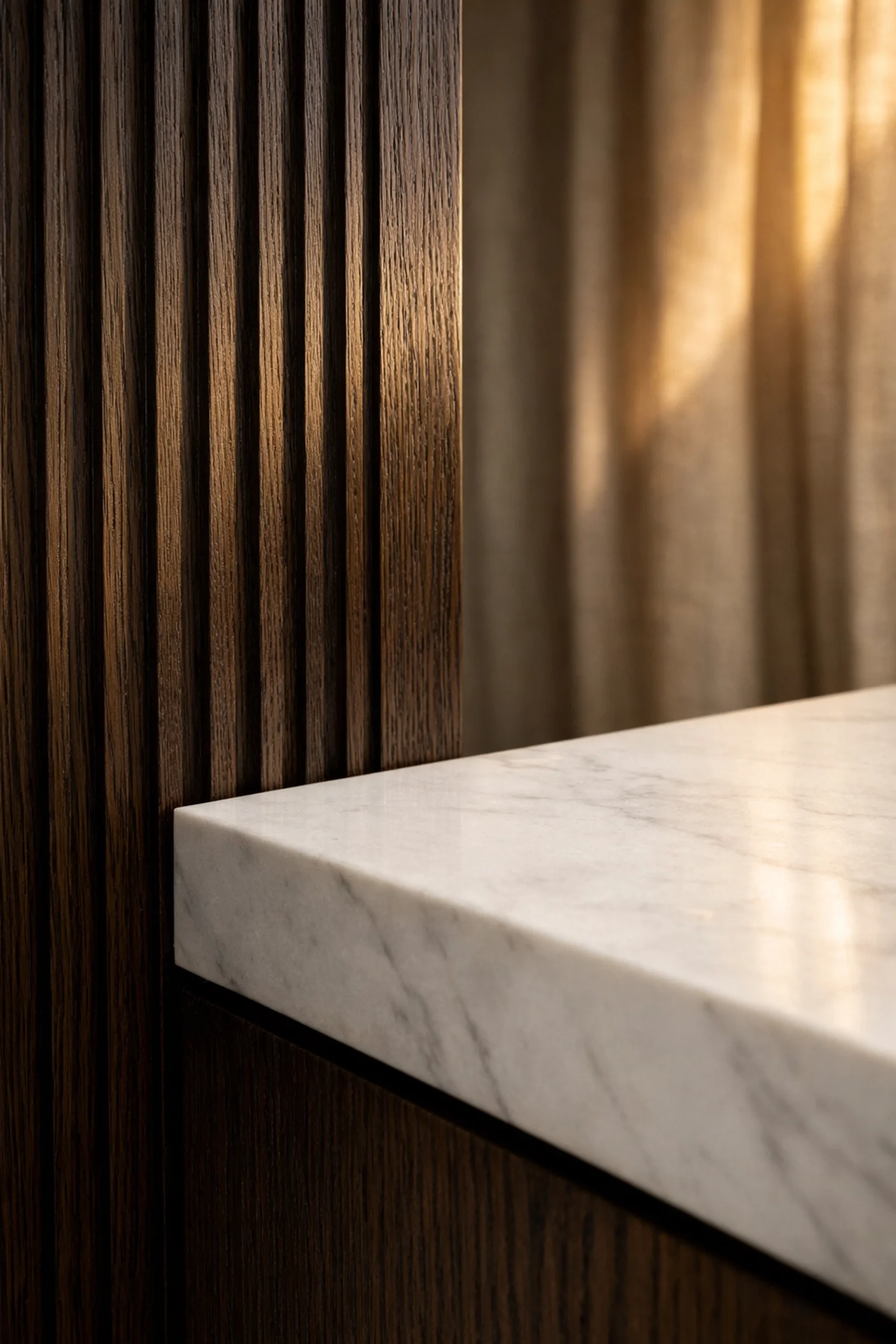
Authenticity is the new currency of luxury. Modern travelers are discerning; they can easily identify overly processed or misleading imagery. By focusing on the materiality of a space: the grain of the wood, the texture of the stone, the soft glow of integrated lighting: we build a visual language of quality. When a guest arrives and finds that the physical space matches the digital promise, brand trust is solidified. This alignment is a primary driver of positive reviews and repeat business, which are the lifeblood of the hospitality sector.
What Is the Tangible ROI of High-End Imagery?
For many hospitality groups, professional photography is often viewed as a marketing expense rather than a capital investment. However, the data supports the latter. High-quality imagery functions as a "silent salesman" that works 24/7 across multiple platforms.
Increased ADR (Average Daily Rate): Properties that project a premium, editorial image can command higher rates. If a space looks sophisticated and curated, the perceived value increases in the mind of the consumer.
Lower Acquisition Costs: Strong visuals improve the "Billboard Effect." Even if a guest finds a property on an OTA, they are more likely to visit the hotel’s direct website to see more evocative professional interior photography, leading to direct bookings and lower commission fees.
Multi-Platform Utility: A single professional shoot provides assets for the website, social media, press releases, print brochures, and third-party booking sites.
Furthermore, in the competitive South Florida market, where Miami architecture and luxury interiors set a high bar, standing out requires a level of polish that standard photography simply cannot provide. Investing in an expert professional architectural photographer in Miami ensures that your property remains competitive in a global marketplace.
Technical Mastery: How Do We Capture 'The Vibe'?
Capturing the "vibe" of a hospitality space is a technical exercise as much as it is an artistic one. It requires a deep understanding of lighting temperatures, composition, and post-production.
Mixed Lighting Management: Hospitality spaces often feature a complex mix of natural daylight, warm interior lamps, and cool LED accents. Balancing these disparate light sources to ensure a clean, inviting look without strange color casts is a hallmark of professional work.
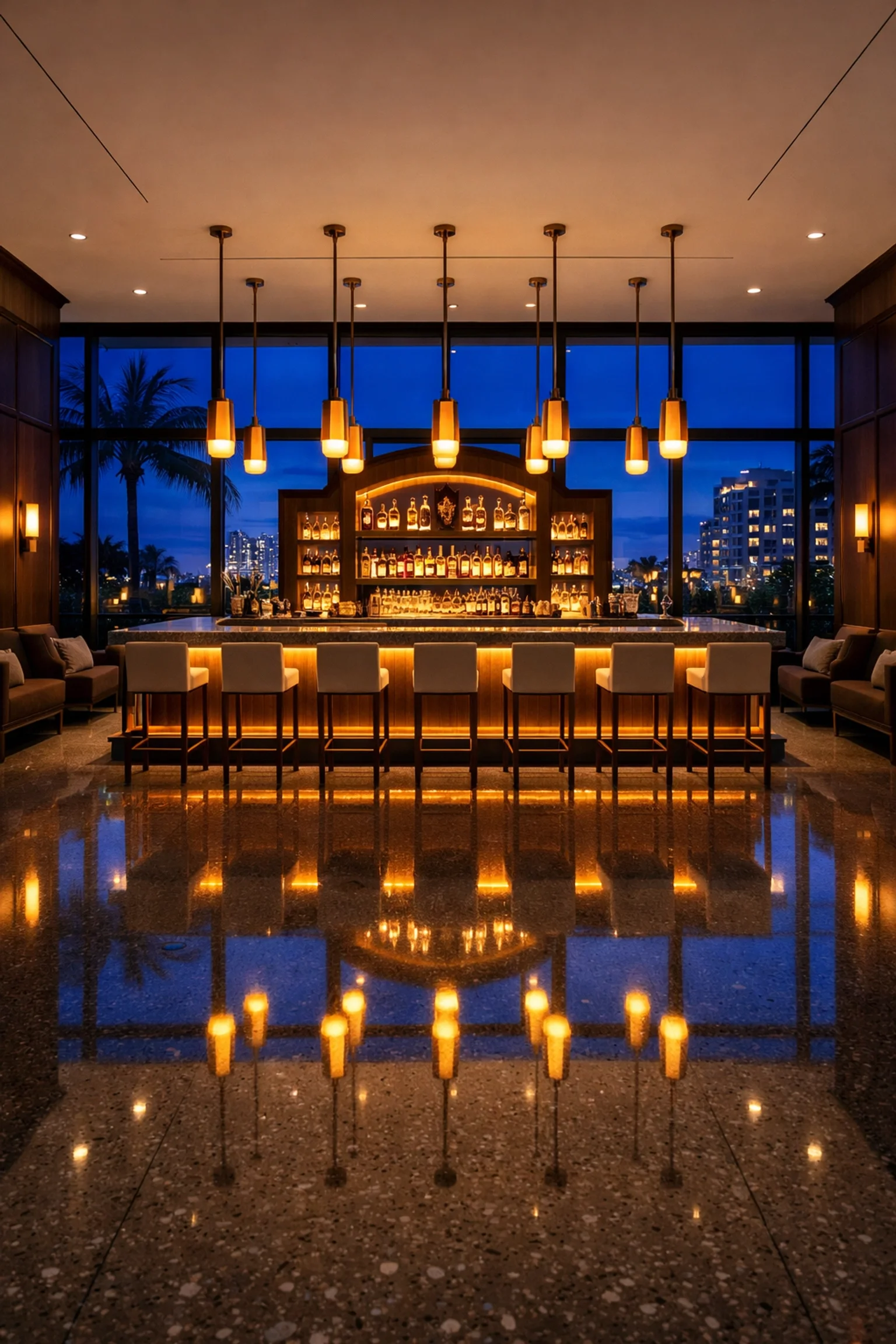
Composition and Leading Lines: We use composition to guide the viewer’s eye through the space, mimicking the natural flow of a guest’s journey. This might involve a "one-point perspective" for a grand hallway or a tighter, more intimate framing for a cozy bar nook.
The Power of Macro and Detail: While wide shots provide context, detail shots provide emotion. A close-up of a hand-woven rug or the intricate joinery of a custom bar stool communicates a level of craftsmanship that resonates with luxury seekers. This is where luxury interior photography separates itself from standard real estate shoots.
Why Should Lifestyle Elements Be Integrated Into Architectural Shots?
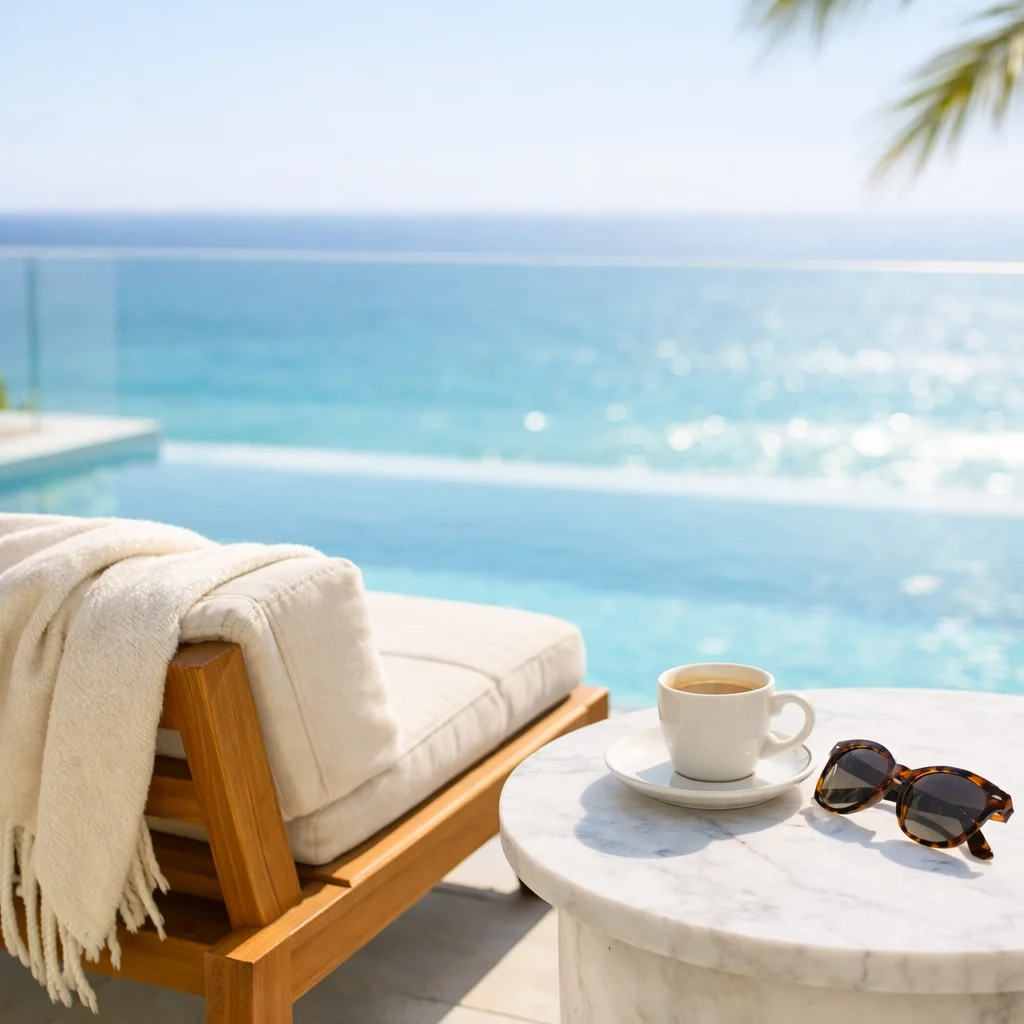
In the context of hospitality, a room is never just a room; it is a stage for human experience. While architectural photography focuses on the structure and design, the integration of "lifestyle" elements: a half-filled glass of wine, a book left on a bedside table, or the soft blur of a person in the distance: adds a layer of soul to the image.
These "human" touches allow the viewer to place themselves in the frame. It moves the conversation from "Look at this building" to "Imagine yourself here." This approach is particularly effective for retail space photography and restaurant photography, where the energy of the space is just as important as the floor plan.
How Does a Collaborative Partnership Benefit the Project?
At Marco Bell Photo, we view our relationship with hospitality clients as a collaborative partnership. We are not just service providers; we are brand stewards. The process begins with an in-depth consultation to understand the brand’s core values, the target demographic, and the specific "hero" features of the property.
By aligning our technical execution with the client’s marketing goals, we create a visual library that is not only beautiful but strategically sound. Whether it is a boutique hotel needing professional branding photographer services or a large-scale resort requiring a comprehensive portfolio, our goal is to translate the physical atmosphere into a digital experience that converts.
Conclusion: The Future of Hospitality Visuals
The hospitality industry will only become more visually driven as we move further into the 2020s. As platforms like Instagram and Pinterest continue to influence travel trends, the "vibe" of a property will remain its most valuable asset. High-end photography is no longer a luxury; it is a fundamental requirement for any hospitality brand that wishes to thrive.
By focusing on materiality, light, and the subtle details that make a space unique, we help our clients sell an experience before a guest even picks up their luggage. If you are ready to elevate your property's narrative and see the tangible benefits of stunning interior visuals, let’s discuss how we can bring your vision to life.