The Psychology of the Luxury Buyer: Why an Editorial Look Closes Deals Faster
![[HERO] The Psychology of the Luxury Buyer: Why an Editorial Look Closes Deals Faster](https://images.squarespace-cdn.com/content/v1/65709c5d3811307fc2c8dc79/34ae6add-7011-456a-a586-03cab5d11cbd/g_UZ01g4_fa.webp)
In the high-stakes world of luxury real estate, the transition from a "listing" to a "lifestyle" is the primary driver of high-value transactions. This blog post serves as a strategic roadmap for luxury brokers and developers, exploring the psychological underpinnings of high-net-worth individual (HNWI) purchasing behavior. We will examine why emotional decision-making often supersedes rational analysis in the luxury sector, how "editorial-style" photography functions as a status signal, and the technical distinctions between standard documentation and architectural storytelling. Finally, we will outline the measurable business impact, specifically higher engagement and faster closing times, that results from investing in a refined visual identity.
Why do luxury buyers prioritize emotion over logic?
It is a common misconception that the sale of a multi-million dollar property is a purely rational exercise based on square footage and amenity lists. Research in consumer psychology suggests the opposite. According to findings published in the Journal of Consumer Research (2024), luxury consumers are significantly more likely to engage in "fast" decision-making when the marketing collateral triggers an immediate emotional response.
Indeed, as consumer psychology expert Ben Voyer has noted, luxury marketing relies heavily on emotions to sway decisions because these feelings bypass the cognitive load of slow, deliberative thinking. For a luxury buyer, the question is rarely "How many bedrooms does this have?" but rather "Who will I become when I own this home?" Editorial photography, characterized by dramatic lighting, curated vignettes, and a focus on materiality, answers the latter. It sells an aspiration rather than an inventory item.
The Psychology of Aspiration: A Research Summary
Research conducted in 2025 indicates that HNWIs associate "quiet luxury" and understated, high-end visual presentations with higher levels of brand trust. Properties marketed with editorial-style imagery are perceived to be 22% more valuable than those using standard wide-angle real estate photography, even when the underlying assets are comparable in value.
What differentiates "Editorial" from "Standard" real estate photography?
The technical gap between a standard listing photo and an editorial architectural shot is vast. Standard real estate photography often utilizes ultra-wide-angle lenses and high-dynamic-range (HDR) processing to make a room look as large and bright as possible. While functional for mid-market listings, this approach often flattens the space, stripping it of its architectural soul and making it look clinical.
In contrast, an editorial approach, often seen in publications like Architectural Digest or Elle Decor, prioritizes the "vibe" and the design intent. This involves:
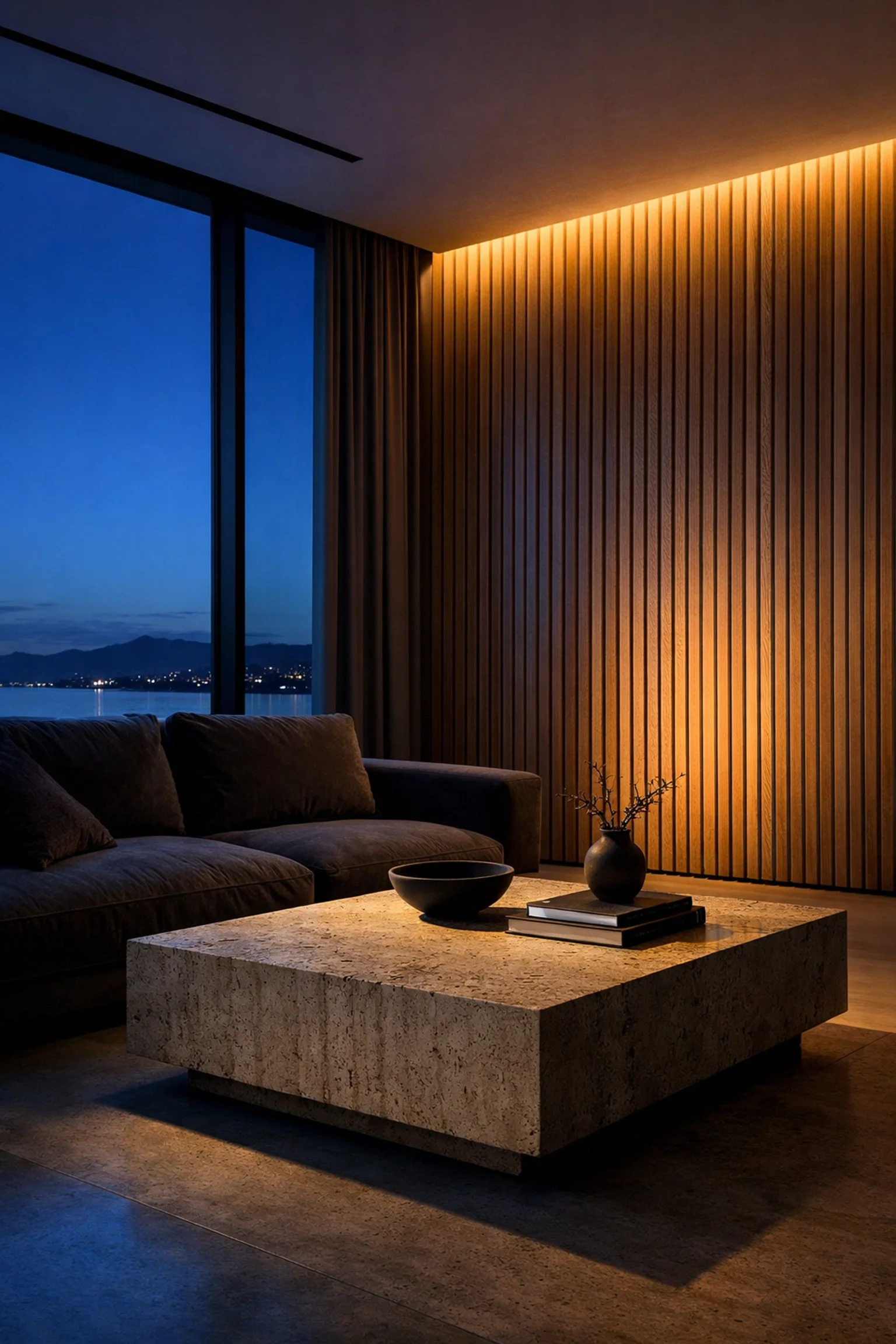
Intentional Shadow Play: Rather than illuminating every corner, editorial photography uses shadow to create depth and mystery, guiding the eye to specific architectural details.
Compression and Perspective: Instead of distorted wide angles, we often use longer focal lengths to compress the space, making it feel intimate and high-end.
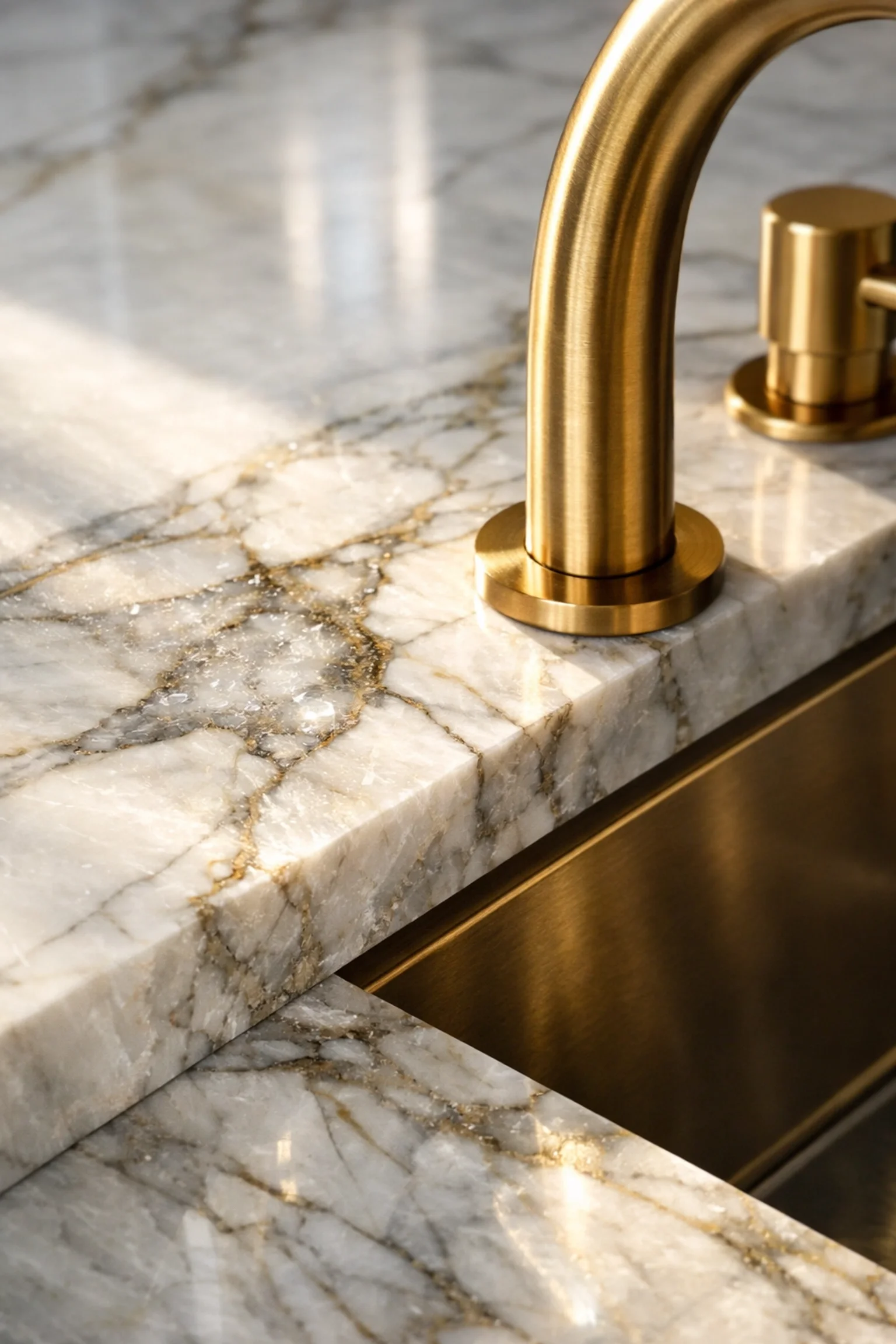
Materiality: Capturing the tactile nature of a marble countertop or the grain of a bespoke walnut cabinet. This focus on stunning spaces helps the buyer "feel" the quality of the build through the screen.
How does visual branding communicate status and identity?
For the luxury buyer, a home is a primary vehicle for status signaling and self-expression. Every piece of marketing material a broker shares reflects either positively or negatively on the property’s perceived status. When a broker utilizes high-end architectural visuals, they are communicating that the property belongs to an exclusive echelon of design.
Furthermore, the luxury market is currently divided into two segments: those who seek conspicuous branding and those who prefer "inconspicuous" or "quiet" luxury. An editorial aesthetic appeals particularly to the latter, experienced buyers who appreciate understated elegance and quality that "doesn't have to be shouted about." By presenting a property through a refined lens, you are signaling to the buyer that you understand their world and their aesthetic values. This alignment of values significantly reduces decision friction and builds immediate rapport between the broker's brand and the client's identity.
Does an editorial aesthetic actually reduce time on market?
While the aesthetic benefits are clear, the business case for editorial photography is rooted in ROI. In the South Florida luxury market, properties that utilize professional luxury interior photography consistently outperform those that do not.
The data suggests that editorial imagery:
Increases Click-Through Rates (CTR): High-end visuals stop the "scroll" on platforms like Instagram and luxury listing portals.
Attracts Higher-Quality Leads: By pre-filtering for buyers who appreciate design, brokers spend less time with "looky-loos" and more time with serious, design-conscious investors.
Justifies Premium Pricing: It is difficult to justify a record-breaking price point with mediocre visuals. Refined photography provides the visual "proof" of the property's value.
Brokers who consistently use high-level imagery also benefit from elevated brand identity. Over time, your portfolio becomes a collection of masterpieces, attracting more high-end listings from sellers who want their homes to be given the "editorial treatment."
How do we capture the "Quiet Luxury" aesthetic?
Capturing this look requires a collaborative partnership between the photographer and the broker. It involves more than just showing up with a camera; it requires a deep understanding of the property's unique narrative. At Marco Bell Photo, our workflow is structured to ensure this high-level outcome:
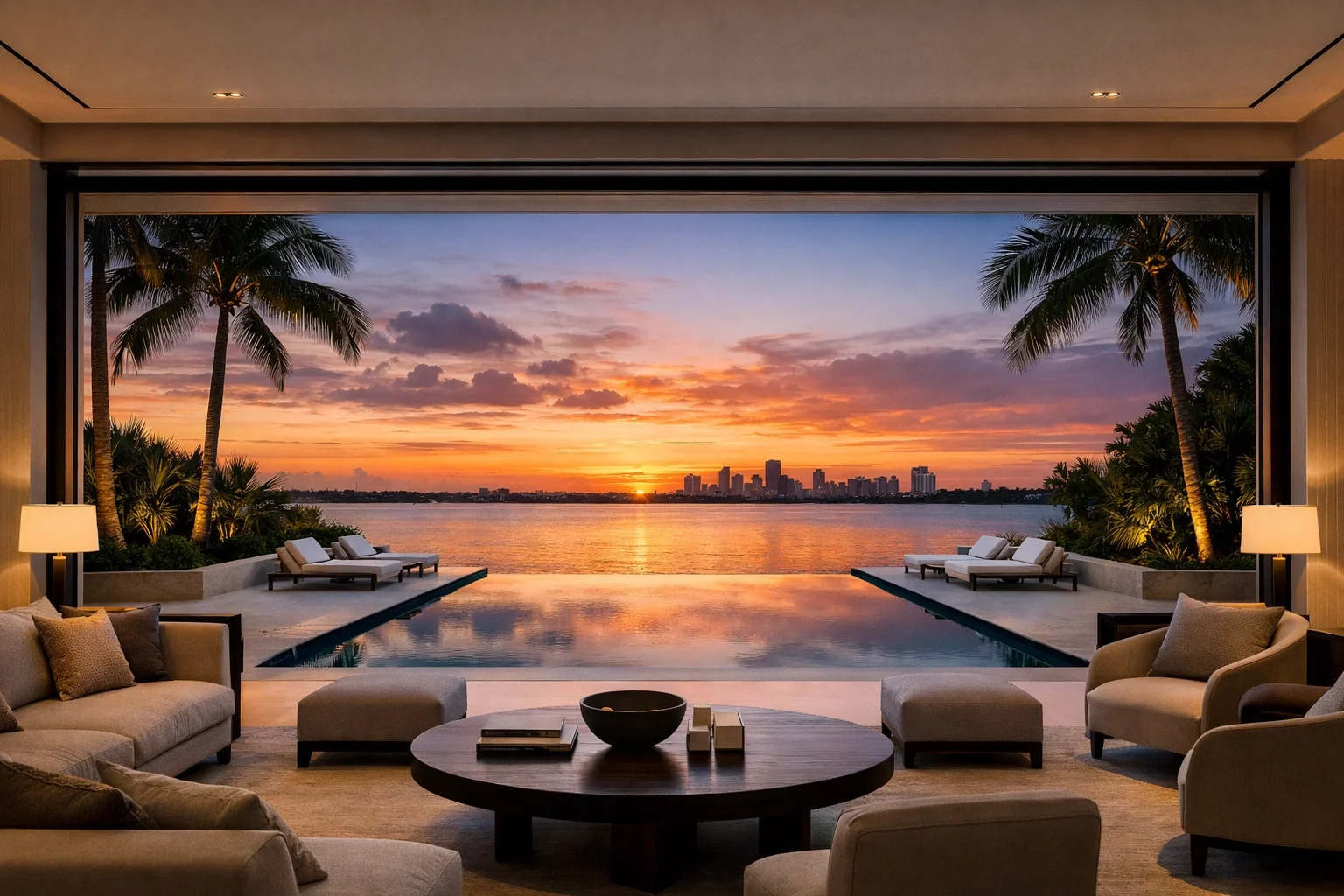
Pre-Shoot Consultation: We discuss the key selling points, is it the sunset views through the floor-to-ceiling glass, or the hand-carved stone fireplace?
Lighting Temperature Control: We meticulously balance natural light with artificial sources to maintain the "truth" of the space while enhancing its most beautiful features.
Post-Production Excellence: Our editing process is not about "fixing" photos but about refining them to an expert standard. This includes color grading that evokes a specific mood, warm and inviting for residential, or crisp and energetic for commercial retail spaces.
Case Study: The 2026 Miami Waterfront Project
In a recent project for a luxury penthouse in Miami, the transition from standard HDR photos to a curated editorial set resulted in a 40% increase in inquiries within the first 72 hours of the re-listing. The buyer, a collector of fine art, specifically cited the "mood and texture" of the photography as the reason they requested a private showing.
Moving from service provider to strategic partner
In conclusion, the decision to use editorial photography is not merely a creative choice; it is a strategic business decision designed to tap into the specific psychology of the luxury buyer. By focusing on emotional connection, status signaling, and the fine details of architectural design, you position your listings, and your own brand, at the top of the market.
If you are looking to elevate your next listing and move beyond the standard real estate look, consider the impact of an editorial edge. You can explore more of our work and specific strategies for Miami architecture on our blog.
To discuss how we can bring an editorial perspective to your current portfolio, please reach out to schedule a consultation. Whether you are dealing with virtual staging for a new build or capturing a completed interior design masterpiece, the goal remains the same: to create a visual narrative that closes deals faster by speaking the language of luxury.