Professional Retail Space Photography: How to Capture Stunning Interior Designs for Commercial Success
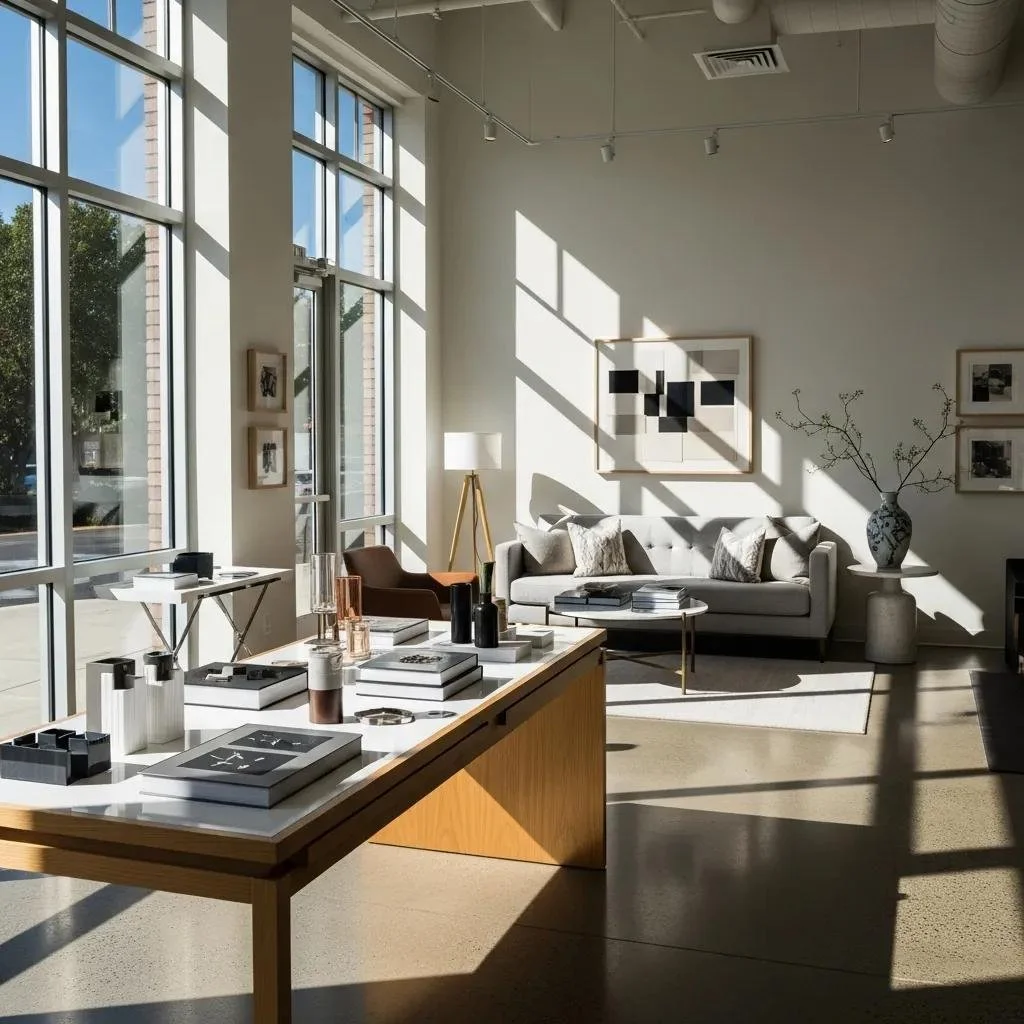
Capturing the essence of retail spaces through photography is essential for businesses aiming to showcase their interior design effectively. Interior design photography for retail not only highlights the aesthetic appeal of a space but also plays a crucial role in attracting customers and enhancing brand identity. This article will delve into the key techniques, lighting optimization, pricing strategies, and the importance of case studies in retail photography. By understanding these elements, businesses can leverage professional photography to create compelling visual narratives that resonate with their target audience.
What Are the Key Techniques for Effective Retail Interior Photography?
Effective retail interior photography hinges on several key techniques that enhance the visual storytelling of a space. These techniques include composition, styling, and the appropriate use of equipment. By mastering these elements, photographers can create images that not only capture the design but also evoke emotions and drive customer engagement.
How to Highlight Retail Design Elements Through Composition and Styling
Composition is vital in retail photography as it determines how the viewer perceives the space. Utilizing various angles can dramatically change the narrative of a photograph. For instance, shooting from a lower angle can make a space feel more expansive, while a higher angle can provide a comprehensive overview of the layout. Incorporating design elements such as furniture, decor, and lighting into the composition helps to create a balanced image that draws the viewer's eye. Additionally, styling the space with seasonal decor or thematic elements can enhance the visual appeal and relevance of the photographs.
Which Photography Equipment Best Captures Retail Environments?
The choice of equipment is crucial for capturing high-quality retail photographs. A DSLR or mirrorless camera with a full-frame sensor is recommended for its superior image quality and low-light performance. Lenses play a significant role as well; wide-angle lenses are ideal for capturing expansive spaces, while prime lenses can provide sharp detail for product shots. Accessories such as tripods and reflectors can further enhance the quality of the images by stabilizing the camera and controlling light, respectively.
How to Optimize Lighting for Retail Environment Photography?
Lighting is a fundamental aspect of photography that can significantly influence the mood and appeal of retail spaces. Understanding how to manipulate natural and artificial light can lead to stunning results that highlight the best features of a store.
What Are the Best Lighting Setups for Store Interior Photo Shoots?
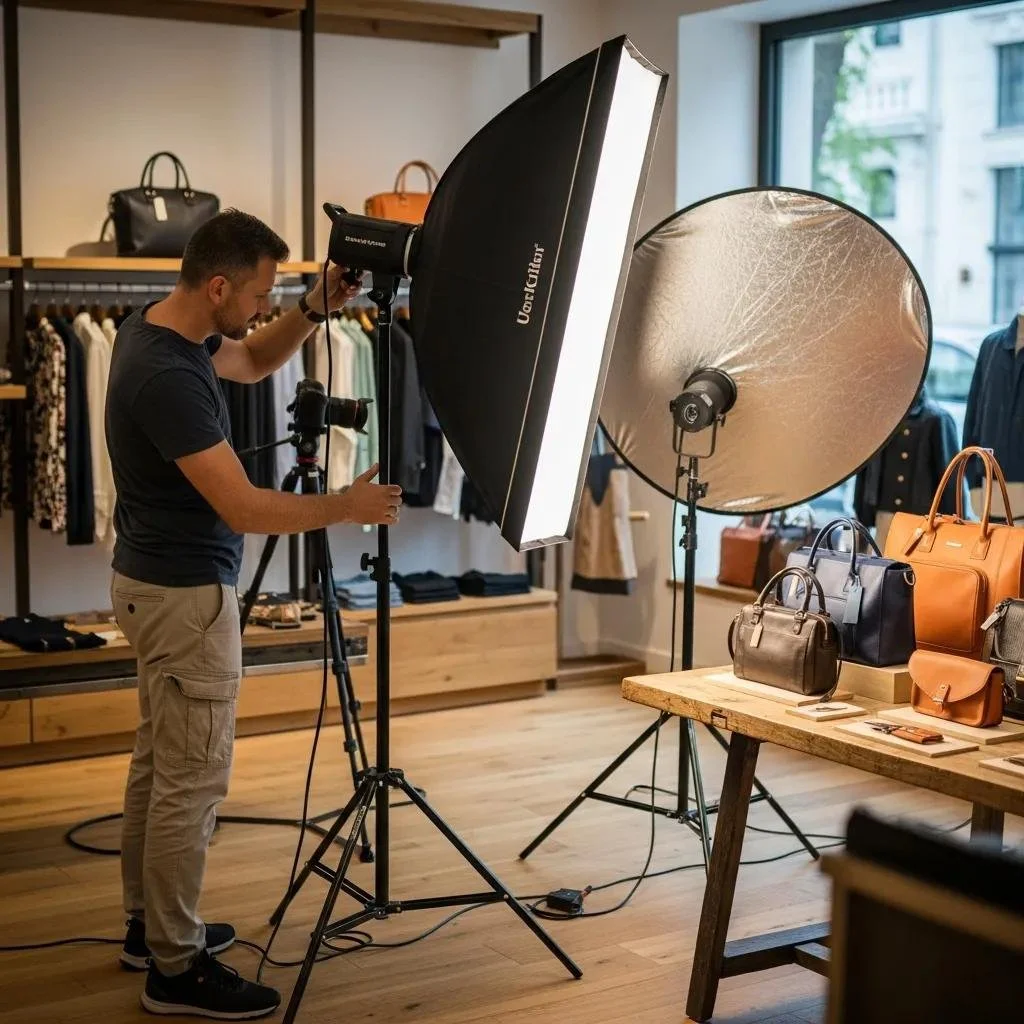
For effective lighting setups, a combination of natural and artificial light is often the best approach. Utilizing natural light during the day can create a warm and inviting atmosphere, while artificial lighting can be adjusted to highlight specific areas or products. Techniques such as using softboxes or diffusers can help to soften harsh shadows and create a more flattering light. Additionally, strategically placing reflectors can bounce light into darker areas, ensuring a well-lit and balanced image.
How Does Lighting Influence the Mood and Appeal of Retail Spaces?
The impact of lighting on the mood of a retail space cannot be overstated. Different lighting temperatures can evoke various feelings; for example, warm lighting can create a cozy and inviting environment, while cooler lighting can convey a modern and sleek aesthetic. Studies have shown that well-lit spaces not only attract more customers but also encourage longer visits, ultimately leading to increased sales. By understanding the psychological effects of lighting, retailers can design their spaces to enhance customer experience and satisfaction.
Further emphasizing the critical role of lighting, research highlights its direct influence on consumer psychology and purchasing decisions.
Retail Lighting: Influencing Consumer Mood & Buying Behavior This paper addresses one aspect of atmosphere: lighting and its influence on consumers' mood and buying behaviour. Following an introduction in the discipline of retail design, we discuss the notion of ‘atmosphere' and its relationship to lighting. We also develop a theoretical framework as a first part of a three-part process: literature review, experiments and validation. Retail design: lighting as an atmospheric tool, creating experiences which influence consumers' mood and behaviour in commercial spaces.
What Are the Pricing and Booking Processes for Professional Retail Photography?
Understanding the pricing and booking processes for professional retail photography is essential for businesses looking to invest in high-quality images. Various factors influence pricing, including the complexity of the shoot, the photographer's experience, and the specific services required.
How to Determine Pricing for Commercial Interior Photography Projects
Pricing for commercial interior photography projects can vary widely based on several factors. Typically, photographers may charge by the hour or offer package deals that include a set number of images. Additional costs may arise from travel, post-processing, and licensing fees. On average, businesses can expect to pay between $1,500 to $4,000 for a professional shoot, depending on the scope and requirements of the project.
What Is the Typical Booking Workflow for Retail Photography Services?
The booking process for retail photography services generally follows a structured workflow. Initially, clients should reach out for an initial consultation to discuss their needs and vision. Following this, a contract is usually signed to outline the terms and conditions, including pricing and deliverables. Once the contract is in place, the photographer will schedule the shoot, which typically occurs within a few weeks. After the shoot, clients can expect to receive their edited images within 1-2 weeks, depending on the photographer's workload.
How Do Case Studies and Portfolios Demonstrate Expertise in Retail Interior Photography?
Case studies and portfolios are invaluable tools for photographers to showcase their expertise and the effectiveness of their work. By presenting successful projects, photographers can build trust with potential clients and demonstrate their ability to deliver high-quality results.
Which Client Projects Showcase Successful Retail Photography Outcomes?
Highlighting notable client projects can illustrate the photographer's versatility and skill. For instance, a project featuring a high-end boutique may showcase the ability to capture luxury and elegance, while a project for a trendy café might emphasize a vibrant and inviting atmosphere. Client feedback and testimonials can further enhance the credibility of these case studies, providing potential clients with confidence in the photographer's capabilities.
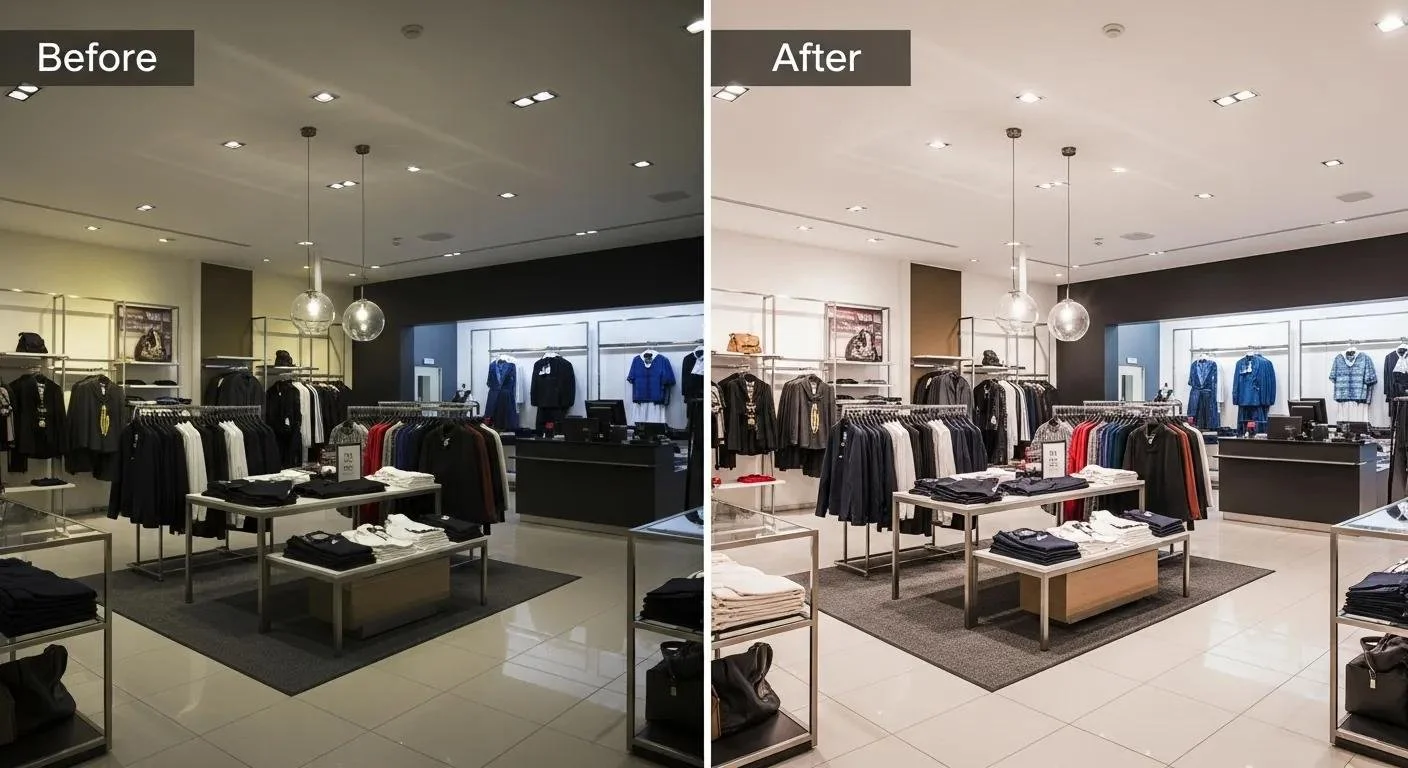
How Do Before-and-After Images Illustrate Post-Processing Techniques?
Before-and-after images serve as powerful examples of the impact of post-processing techniques in retail photography. These comparisons can highlight the importance of editing in enhancing colors, correcting lighting, and refining details. By showcasing the transformation of an image through post-processing, photographers can demonstrate their technical skills and the value they bring to the final product. This not only helps in attracting new clients but also reinforces the importance of professional photography in retail marketing strategies.