Professional Architectural Photographer in Miami
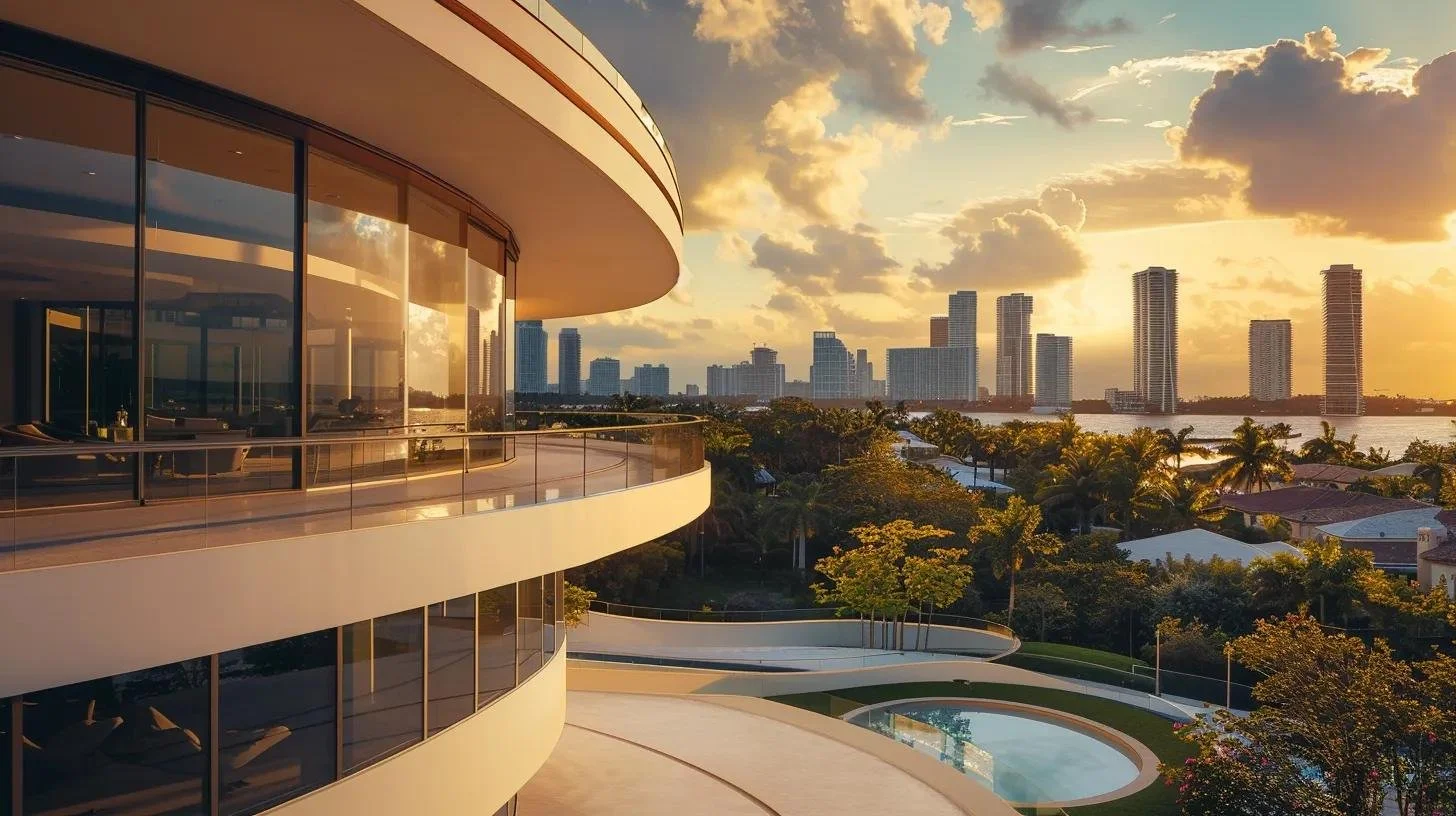
Architectural photography is a highly specialized and respected discipline that captures the essence of buildings and structures, showcasing their design, functionality, and artistic value with precision and creativity. In Miami, a city renowned for its vibrant and diverse architectural landscape, the role of an architectural photographer is indispensable in highlighting the unique characteristics of both commercial and residential properties. This article provides an authoritative overview of the comprehensive services offered by top-tier architectural photographers in Miami, detailed criteria for selecting the best professionals with proven expertise, transparent pricing structures, the transformative impact of drone photography, and expert tips for capturing stunning architectural images. By understanding these critical aspects, architects, designers, developers, and property owners can make well-informed decisions to effectively showcase their projects and spaces with compelling and professional visual storytelling.
What Services Does an Architectural Photographer in Miami Offer?
Architectural photographers in Miami deliver a broad spectrum of professional services tailored to meet the diverse needs of clients, including architects, designers, developers, and property owners. Their expertise extends beyond technical photography skills to encompass a deep understanding of architectural design principles, lighting, and composition, ensuring that each photograph communicates the story and essence of the space with clarity, impact, and artistic integrity.
Commercial and Residential Architectural Photography Explained
Commercial architectural photography specializes in capturing high-quality images of business properties such as office buildings, retail spaces, hotels, and mixed-use developments. These images are essential for showcasing the architectural design, craftsmanship, and aesthetic appeal of the built environment. Residential architectural photography, conversely, focuses on homes and private properties, emphasizing their design, layout, and distinctive features. Both disciplines require a meticulous eye for detail, mastery of advanced lighting techniques, and an artistic approach to composition to create compelling images that highlight the beauty and characteristics of the space, serving architects, designers, and developers in presenting their work effectively.
The critical importance of commercial architectural photography for showcasing architectural excellence is further supported by industry insights and professional standards.
Commercial Real Estate Architectural Photography Market
There is a substantial and growing market for commercial real estate architectural photos, which I often integrate with other commercial photography services, such as corporate portraits and product shots, to deliver a comprehensive and cohesive visual solution for my clients.
Real Estate Photography and Marketing Solutions
While architectural photography focuses on showcasing the design and artistic qualities of buildings and spaces, real estate photography is a distinct discipline centered on marketing properties for sale or lease. Real estate photography employs techniques to highlight the best angles, lighting, and features to attract potential buyers or tenants. Many photographers offer innovative marketing solutions such as immersive virtual tours and drone photography, which provide dynamic and comprehensive views of properties, enhancing real estate marketing strategies. It is important to distinguish these services from architectural photography, which is primarily concerned with displaying the work of architects and designers rather than directly influencing property sales.
How to Choose the Best Architectural Photographer in Miami?
Choosing the right architectural photographer is essential to achieving superior results that meet your specific goals. Several critical factors should be carefully evaluated to ensure you select a professional with the expertise, reputation, and local knowledge necessary for your project’s success.
Key Factors for Selecting a Professional Photographer
When selecting an architectural photographer, prioritize reviewing their portfolio to assess their ability to capture a wide range of architectural styles and settings with precision and creativity. Experience in the Miami market is particularly important, as local photographers possess nuanced knowledge of the region’s unique architectural elements, lighting conditions, and environmental factors. Additionally, client testimonials and professional references provide valuable insights into the photographer’s reliability, professionalism, and quality of work, reinforcing their authority and trustworthiness in the field.
Why Experience with Miami Architecture Matters
Miami’s architectural landscape is exceptionally diverse, featuring iconic styles such as Art Deco, Mediterranean Revival, Mid-Century Modern, and cutting-edge contemporary designs. A photographer with extensive experience in this market understands how to emphasize these distinctive characteristics effectively. They know the optimal times of day for shooting specific buildings, how to leverage natural and artificial lighting, and how to navigate the local environment to produce images that resonate deeply with architects, designers, and stakeholders.
One notable expert in Miami architectural photography is Marco Bell, whose acclaimed work exemplifies the perfect blend of technical mastery and artistic vision required to capture Miami’s unique architectural heritage and modern innovations with authority and distinction.
What Are the Pricing and Packages for Architectural Photography in Miami?
Understanding the pricing structures for architectural photography in Miami is crucial for budgeting and planning your project effectively. Established photographers typically offer a range of packages designed to accommodate different project scopes and client needs, ensuring transparency, flexibility, and value.
Typical Pricing Models and Service Inclusions
Pricing for architectural photography varies based on the photographer’s experience, project complexity, and included services. Common models include hourly rates, flat fees for specific projects, or bundled packages that combine multiple services. For example, a standard package might include a predetermined number of high-resolution images, professional post-processing, and usage rights for portfolio or promotional purposes. Many photographers also offer customizable packages tailored to client requirements, providing flexibility and ensuring that clients receive precisely the services needed to maximize the presentation and impact of their architectural work.
How Does Drone and Aerial Photography Enhance Miami Architectural Images?
Drone and aerial photography have revolutionized architectural imaging by offering unique vantage points and perspectives unattainable through traditional photography. This cutting-edge technology enables photographers to capture comprehensive views of properties, emphasizing architectural features and their relationship to the surrounding environment with unparalleled clarity and scale.
Benefits of Drone Photography for Buildings and Interiors
Drone photography provides numerous advantages, including breathtaking aerial views that highlight the scale, design, and context of buildings. This perspective is especially valuable for large commercial properties, luxury homes, and developments with extensive outdoor spaces. Additionally, drone images can illustrate a property’s proximity to landmarks, natural features, and neighborhood amenities, offering architects, designers, and clients a richer understanding of the location and its appeal. Interior drone photography, when applicable, can also provide innovative perspectives of expansive indoor spaces.
Legal and Technical Considerations for Drone Use in Miami
While drone photography offers significant benefits, it requires strict adherence to legal and technical regulations. Photographers must comply with federal rules set by the Federal Aviation Administration (FAA), including drone registration, obtaining the Part 107 Remote Pilot Certificate, and following operational guidelines. Moreover, local Miami-Dade County ordinances and private property restrictions may apply. Professional photographers operating in Miami are well-versed in these regulations, ensuring safe, legal, and ethical drone use to protect clients and their projects from potential legal complications and liability.
Where Can You View a Portfolio of Miami Architectural Photography?
Reviewing a photographer’s portfolio is a vital step in the selection process, allowing clients to evaluate the photographer’s style, technical skill, and versatility across different project types and architectural styles.
Showcasing Commercial and Residential Projects
Many leading architectural photographers maintain comprehensive online portfolios that feature a diverse array of projects, from elegant residential homes to expansive commercial buildings. These portfolios demonstrate the photographer’s breadth of experience and ability to adapt to various architectural styles and client needs. Some photographers also provide detailed case studies that reveal their creative process, challenges overcome, and the exceptional results achieved, offering clients transparency and confidence in their expertise.
Highlighting Miami Landmarks and Unique Architectural Styles
In addition to individual projects, many photographers prominently feature iconic Miami landmarks and distinctive architectural styles in their portfolios. This not only showcases their technical proficiency but also underscores their deep familiarity with Miami’s architectural identity, reinforcing their authority and credibility in the local market and their commitment to capturing the city’s unique built environment.
What Are Expert Tips for Capturing Professional Architectural Photos in Miami?
For those aiming to capture outstanding architectural images, several expert tips can significantly enhance the quality and impact of your photographs, ensuring professional-grade results.
Best Times and Techniques for Miami Building Photography
Timing is paramount in architectural photography. The optimal periods for shooting are during the golden hours—shortly after sunrise and just before sunset—when natural light is soft, warm, and flattering. Employing advanced techniques such as HDR (High Dynamic Range) photography allows for capturing a full range of light and shadow, ensuring that both highlights and darker areas are well-balanced and detailed. Many photographers also use flash ambient blending for a more high-end look, combining natural and artificial light to enhance depth and texture.
Extensive research supports the effectiveness of advanced techniques like HDR and polarizing filters in improving architectural image quality, particularly when dealing with reflective or challenging surfaces.
Enhancing Architectural Photos with HDR & Polarizing Filters
This study analyzes how optical pre-processing with polarizing filters combined with digital pre-processing using HDR imaging can significantly improve automated 3D modeling pipelines based on Structure from Motion (SFM) and Image Matching. Special emphasis is placed on optically non-cooperative surfaces such as shiny or dark materials, where automatic detection of homologous points can be hindered by highlights or uniform dark patches, potentially causing errors in 3D point estimation and mesh topology.
Equipment and Post-Processing Recommendations
Investing in high-quality camera equipment is essential for producing professional-grade architectural photographs. A DSLR or mirrorless camera paired with a wide-angle lens is ideal for capturing intricate architectural details and expansive scenes. Post-processing is equally critical; utilizing industry-standard software such as Adobe Lightroom or Photoshop enables photographers to refine images by adjusting exposure, contrast, color balance, and perspective correction, resulting in polished, visually compelling final products.
To further elevate your architectural photography skills, consider exploring specialized resources on photography techniques. These materials offer in-depth guidance on composition, lighting, and post-processing strategies, empowering you to capture Miami’s unique architectural beauty with professional authority and artistic excellence.
Schedule Your Consultation
Connect with a professional Miami architectural photographer to discuss your project needs and receive personalized guidance on showcasing your property with expert imagery.
Ready to Showcase Your Property with Stunning Architectural Photography?
Contact a professional Miami architectural photographer today to elevate your project’s visual appeal and attract the right audience with expert imagery that highlights architectural excellence and design innovation.
Frequently Asked Questions
What should I look for in an architectural photographer's portfolio?
When reviewing an architectural photographer's portfolio, focus on their ability to capture various architectural styles and settings. Look for diversity in their work, including both commercial and residential projects. Pay attention to the quality of lighting, composition, and detail in their images. Additionally, consider whether they showcase their understanding of Miami's unique architectural elements. A well-rounded portfolio should also include case studies that highlight their creative process and problem-solving skills, providing insight into how they approach different projects.
How can I prepare my property for an architectural photoshoot?
Preparing your property for an architectural photoshoot involves several key steps. First, declutter and clean the space to ensure it looks its best. Consider staging the property with minimal decor to enhance its architectural features without overwhelming the viewer. Additionally, ensure that the lighting is optimal; natural light is often best, so schedule the shoot during the golden hours. Finally, communicate with your photographer about any specific angles or features you want to highlight, allowing them to plan their shots effectively.
What are the advantages of using drone photography for architectural projects?
Drone photography offers several advantages for architectural projects. It provides unique aerial perspectives that traditional photography cannot achieve, showcasing the architectural design and its relationship to the surrounding environment. This is particularly beneficial for large commercial properties or developments with extensive outdoor spaces. Drone images can also highlight nearby landmarks and natural features, giving architects, designers, and clients a comprehensive view of the location. Additionally, drone photography can create dynamic visual content for portfolios and presentations, enhancing overall engagement with architectural work.
Are there any legal restrictions for using drone photography in Miami?
Yes, there are legal restrictions for using drone photography in Miami. Photographers must comply with federal regulations set by the Federal Aviation Administration (FAA), which include registering the drone and obtaining a Part 107 Remote Pilot Certificate. Additionally, local ordinances may impose further restrictions, such as no-fly zones over certain areas. It's crucial for photographers to be aware of these regulations to ensure safe and legal operations, protecting both themselves and their clients from potential legal issues.
What types of post-processing techniques are commonly used in architectural photography?
Post-processing is essential in architectural photography to enhance image quality and visual appeal. Common techniques include adjusting exposure, contrast, and color balance to ensure accurate representation of the space. Perspective correction is also vital, especially for wide-angle shots, to avoid distortion. Many photographers utilize High Dynamic Range (HDR) imaging to capture a broader range of light and shadow, ensuring details are visible in both highlights and darker areas. Software like Adobe Lightroom and Photoshop are industry standards for these enhancements. Additionally, some photographers use flash ambient blending for a more high-end look, combining natural and artificial light to add depth and richness to the images.
How does architectural photography serve architects and designers?
Architectural photography serves architects and designers by visually communicating the quality, creativity, and intent of their work. It highlights design details, materials, spatial relationships, and the overall aesthetic of a project, helping professionals build their portfolios, attract clients, and gain recognition. Unlike real estate photography, which focuses on selling properties, architectural photography is about celebrating and documenting architectural achievements and design excellence.
What are some common mistakes to avoid in architectural photography?
Common mistakes in architectural photography include poor lighting, unbalanced compositions, and neglecting to highlight key features of the property. Shooting at the wrong time of day can result in harsh shadows or overexposed highlights, diminishing image quality. Additionally, failing to consider the surrounding environment can lead to distracting elements in the frame. It's also important to avoid excessive post-processing, which can make images look unnatural. Planning the shoot carefully and using the right techniques can help avoid these pitfalls and produce stunning results.
Conclusion
Engaging a professional architectural photographer in Miami can significantly enhance the visual presentation of your architectural projects, showcasing their unique design and features effectively. By leveraging advanced techniques, including drone photography, these experts provide compelling imagery that highlights architectural excellence and design innovation. Understanding the nuances of Miami's architectural landscape ensures that your project is captured with precision and artistry. Take the next step in showcasing your work by connecting with a skilled photographer today to achieve authoritative and impactful visual storytelling.