The Sensory Portfolio: Narrating Space Beyond the Wide-Angle Lens
In the competitive landscape of South Florida luxury real estate, the "hero shot": that expansive, wide-angle view of a grand foyer or a panoramic oceanfront terrace: has long been the industry standard. However, as the architectural and interior design markets in Miami and Palm Beach evolve toward a more nuanced, editorial aesthetic, the limitations of the wide-angle lens are becoming increasingly apparent. This article will examine the strategic shift from purely representational photography to a sensory-driven approach. We will explore the psychological impact of the "vignette," the technical precision required to capture material detail, and how a holistic imagery portfolio: combining scale with intimacy: serves as a critical tool for high-end brand positioning and increased market engagement.
Why does the "Hero Shot" no longer suffice in luxury marketing?
The primary function of a wide-angle photograph is to establish the geography of a room. It answers the basic question of "What does the space look like?" While essential for providing context, wide-angle imagery often fails to convey the feeling of being present in the space. In high-end editorial architectural photography, the objective is not merely to document dimensions but to translate the architect’s or designer’s intent into a visual narrative.
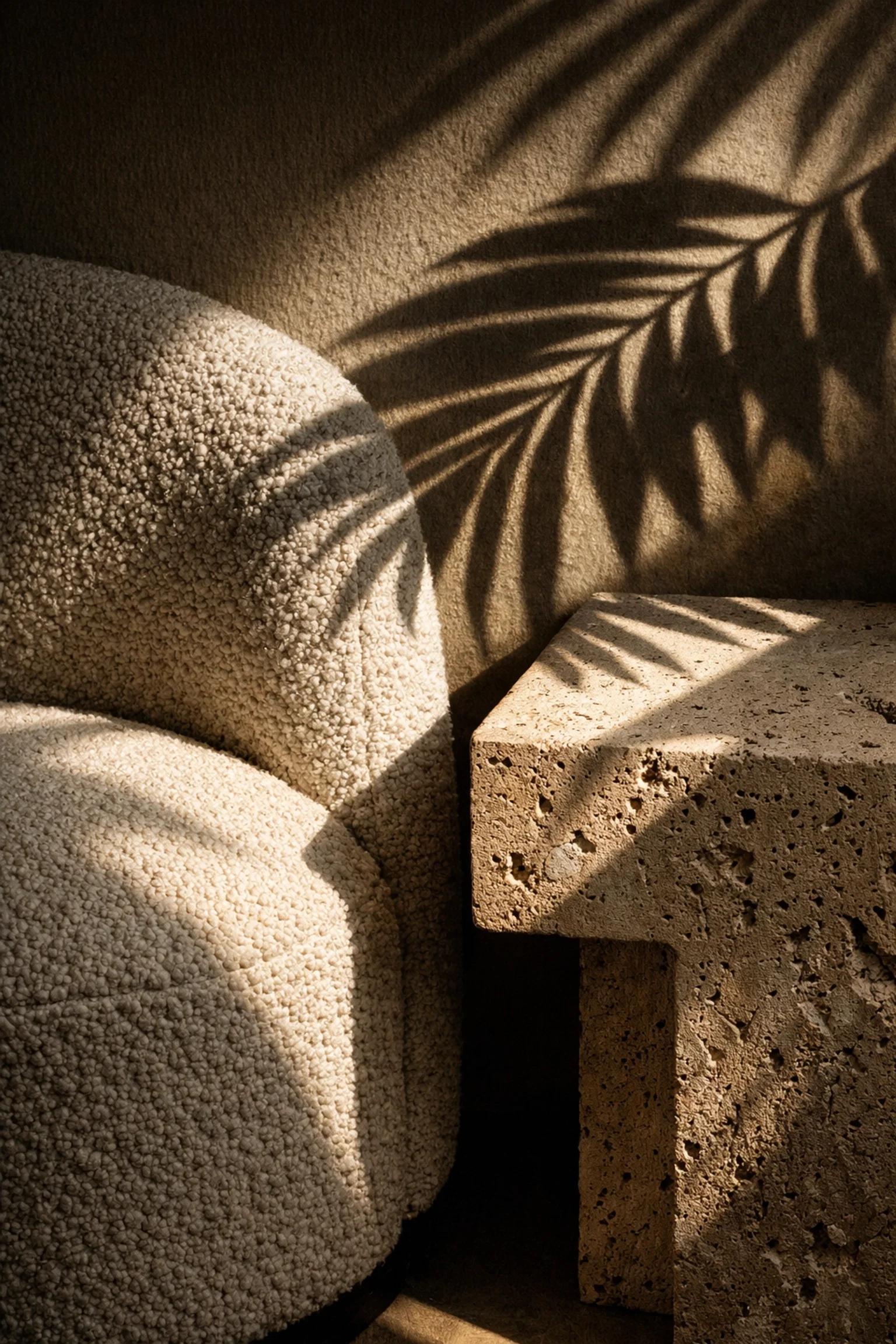
When a viewer is presented with a series of exclusively wide shots, the eye becomes fatigued by the sheer volume of information. The result is a clinical, detached viewing experience. In contrast, the inclusion of detail shots: or vignettes: allows the viewer to slow down. It mimics the human experience of walking through a home: we see the room as a whole, but we are drawn to the way the afternoon light hits a marble countertop, the grain of a custom walnut built-in, or the tactile quality of a hand-applied lime wash finish.
Industry Insight: Research conducted by the Visual Marketing Institute (2023) indicates that "sensory-rich" imagery, which highlights texture and specific design details, increases digital dwell time by approximately 42%. Viewers are more likely to emotionally invest in a property when they can visualize themselves interacting with its physical components.
How do vignettes translate design intent into a tangible experience?
Designers spend months, sometimes years, selecting the perfect hardware, textiles, and stone slabs. A wide-angle lens often loses these subtleties. A sensory portfolio prioritizes these choices, treating the "micro-moments" of a home with the same reverence as the structure itself.
Indeed, the power of the vignette lies in its ability to isolate beauty. By narrowing the field of view, the photographer can control the narrative. We are no longer looking at a kitchen; we are looking at the precision of a mitered edge or the soft glow of integrated LED lighting against a backsplash. This level of professional interior photography communicates quality and craftsmanship, two pillars of luxury branding.
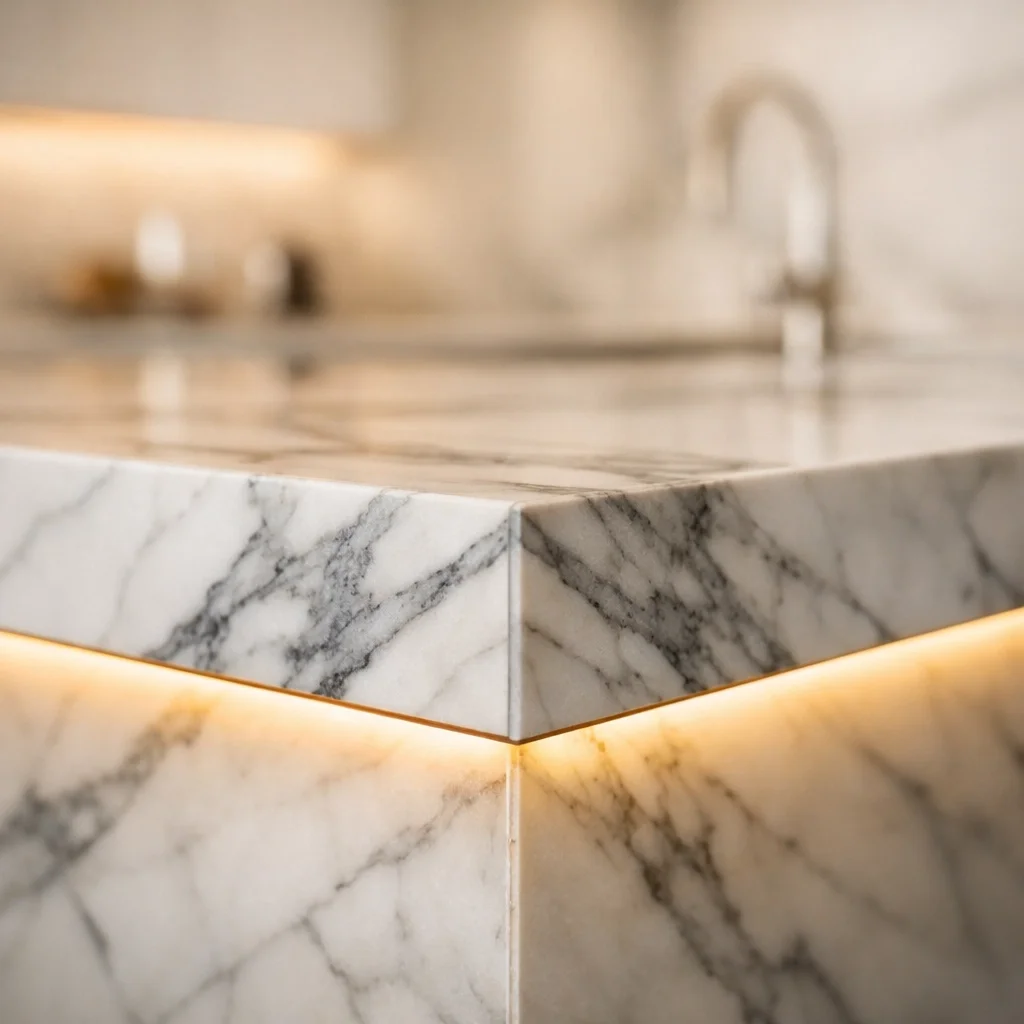
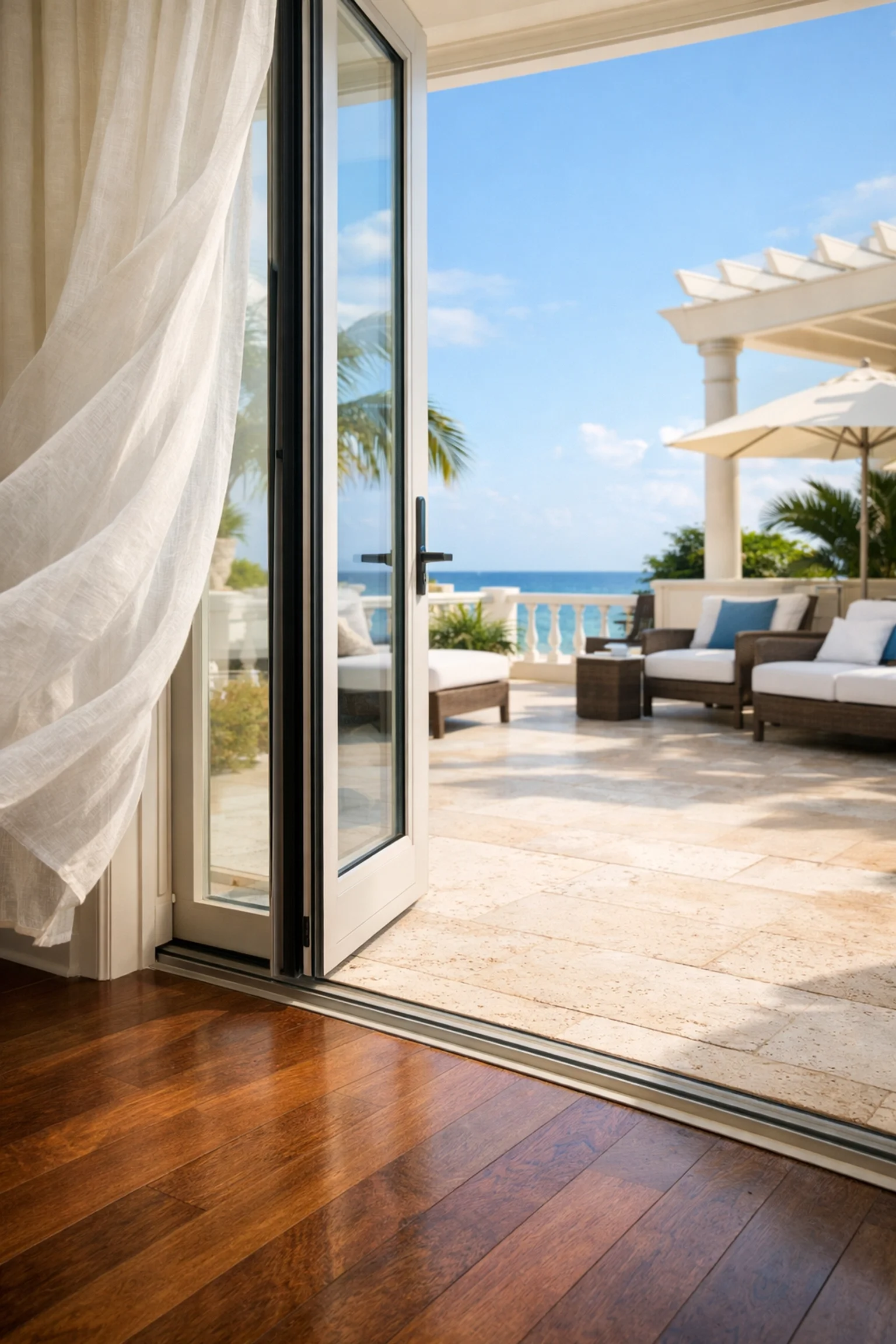
Furthermore, these shots allow for the inclusion of "lifestyle" elements that feel organic rather than staged. A singular shadow falling across a breakfast nook or the reflection of a palm tree in a floor-to-ceiling window tells a story of South Florida living that a wide shot simply cannot capture. It moves the conversation from "real estate" to "aspiration."
What technical considerations define an editorial detail shot?
Capturing a successful vignette is more complex than simply zooming in. It requires a deep understanding of light, composition, and optics. While wide shots often rely on a deep depth of field to keep everything in focus, editorial detail shots frequently utilize a shallower depth of field. This technique: often achieved with prime lenses or macro lenses: allows the photographer to guide the viewer’s eye to a specific focal point while softly blurring the foreground or background.
Lighting is equally critical. In luxury home photography, the goal is to highlight the "materiality" of the space.
Directional Light: Side-lighting is essential for revealing texture in fabrics or stone.
Color Temperature: Maintaining a consistent, natural color temperature ensures that the designer’s selected palette is represented accurately.
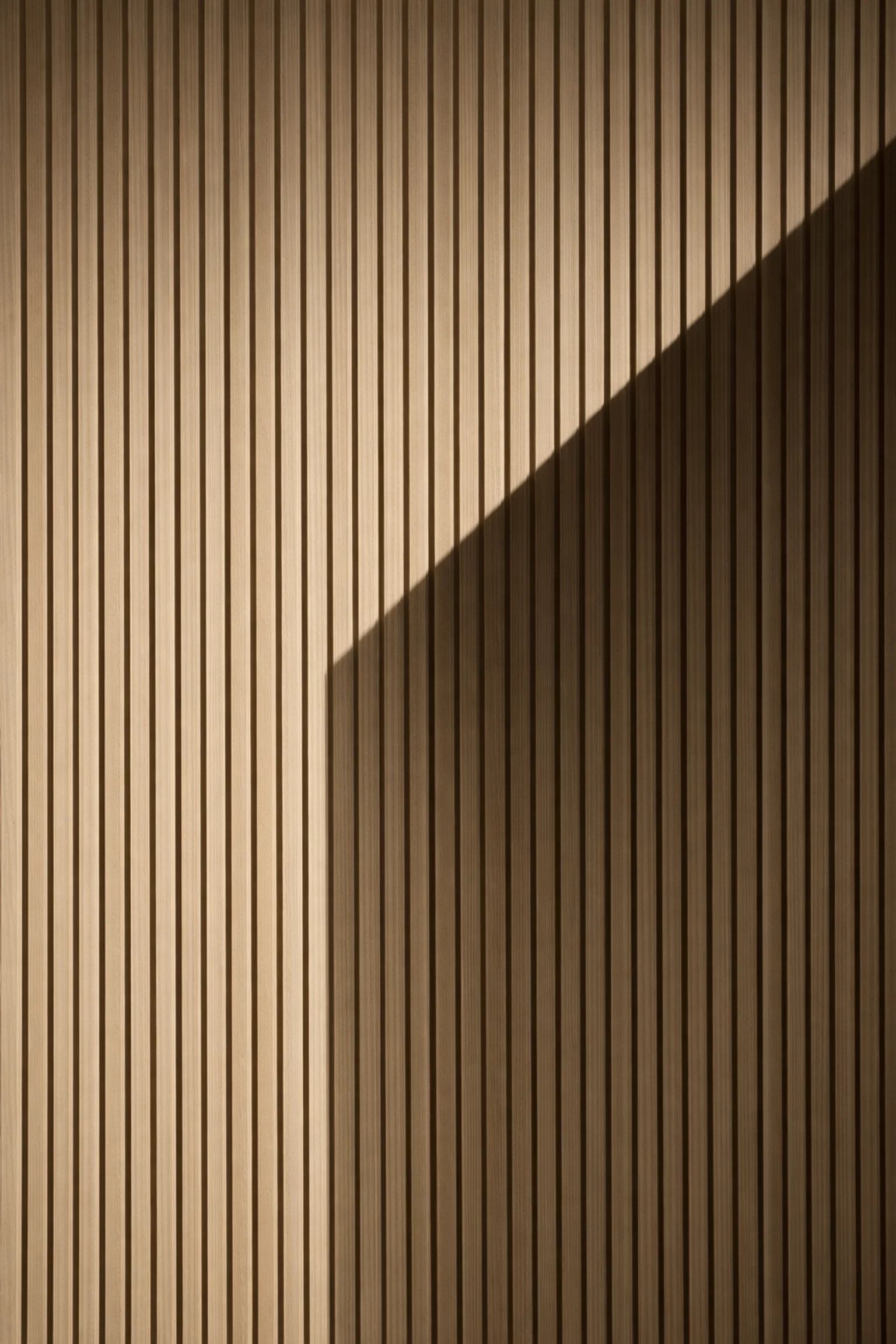
Negative Space: Editorial vignettes often utilize negative space to create a sense of calm and balance, a hallmark of refined architectural imagery.
Additionally, the choice of lens is a strategic decision. While a 16-35mm lens is standard for wide-angle work, a sensory portfolio often utilizes 50mm, 85mm, or 100mm lenses. These longer focal lengths compress the space and provide a more "human" perspective, free from the distortion that often plagues ultra-wide lenses.
Can a sensory-focused portfolio drive measurable ROI for design professionals?
For architects and interior designers, the portfolio is the primary sales tool. In the high-stakes Miami architecture market, potential clients are looking for a level of sophistication that sets a firm apart. A portfolio that includes thoughtful detail shots signals a high level of attention to detail and a commitment to quality.
From a marketing perspective, these images are incredibly versatile.
Social Media Engagement: Detailed vignettes perform significantly better on platforms like Instagram and Pinterest, where the aesthetic "mood" is prioritized over structural documentation.
Editorial Submissions: Magazines such as Architectural Digest or Elle Decor rarely publish wide-angle real estate photos. They look for images that capture the soul of a project: images that are artistic and evocative.
Brand Identity: Using these images across a website or in a printed monograph helps build a cohesive brand identity with expert photoshoots.
Indeed, the business of architecture is not just about building structures; it is about selling a vision. When a photographer captures the sensory details of that vision, they are providing the designer with the collateral needed to justify premium pricing and attract high-net-worth clientele.
The collaborative process: Translating architectural vision into a two-dimensional frame
At Marco Bell Photo, our approach to a shoot is fundamentally collaborative. We do not arrive with a rigid shot list. Instead, we begin with a walk-through of the project to understand the design intent. We ask:
Which materials were the most difficult to source?
How does the light change in this room throughout the day?
What is the specific "vibe" the designer intended for this corner?
This dialogue informs the balance between wide-angle "establishment" shots and sensory "vignettes." In contrast to high-volume real estate photography, which prioritizes speed, our process is deliberate. We may spend an hour capturing a single detail shot to ensure the lighting and composition are perfect. This commitment to the craft is what defines Luxury Interior Photography.
Technical Note: In our post-production workflow, we avoid the "over-processed" HDR look common in lower-end real estate photography. Instead, we focus on natural luminosity and color accuracy. We believe that a photo should feel like a memory of the space, not a digital rendering.
Integrating the Sensory Portfolio into your marketing strategy
To maximize the impact of these images, they should be integrated strategically into your digital presence. On a project page, we recommend a "curated mix" of imagery.
Start with the Hero: Establish the space.
Follow with the Journey: Use 2-3 detail shots to draw the viewer in.
Conclude with the "Reveal": A final wide or mid-range shot that connects the details back to the whole.
This rhythm creates a more compelling architectural visual story. It treats the website visitor like an invited guest, leading them through the property with intention.
Furthermore, for those looking to revitalize older projects, adding a series of detail shots can breathe new life into an existing portfolio without the need for a full re-shoot of the entire property. Focusing on the timeless elements of a design: the materiality and the light: ensures the imagery remains relevant for years to come.
Conclusion: The future of architectural storytelling
The evolution of the architectural photography industry in South Florida is leaning toward a more sophisticated, editorial-driven narrative. While the wide-angle lens will always have its place in documenting the scale of a project, the true soul of a design is found in the details. By embracing the "Sensory Portfolio," architects, designers, and luxury developers can communicate the true value of their work.
At Marco Bell Photo, we are committed to this level of storytelling. We invite you to view photography not as a final step in a project, but as an essential extension of the design process itself. Whether you are documenting a hospitality project or a private residence, we help you narrate the space beyond the wide-angle lens.
For more insights into the intersection of design and photography, explore our full blog archive or learn more about our specific Miami interior photography services. Together, we can capture the moments that define your brand.