The Ghost in the Room: Documenting Design Intent vs. Just Taking a Photo
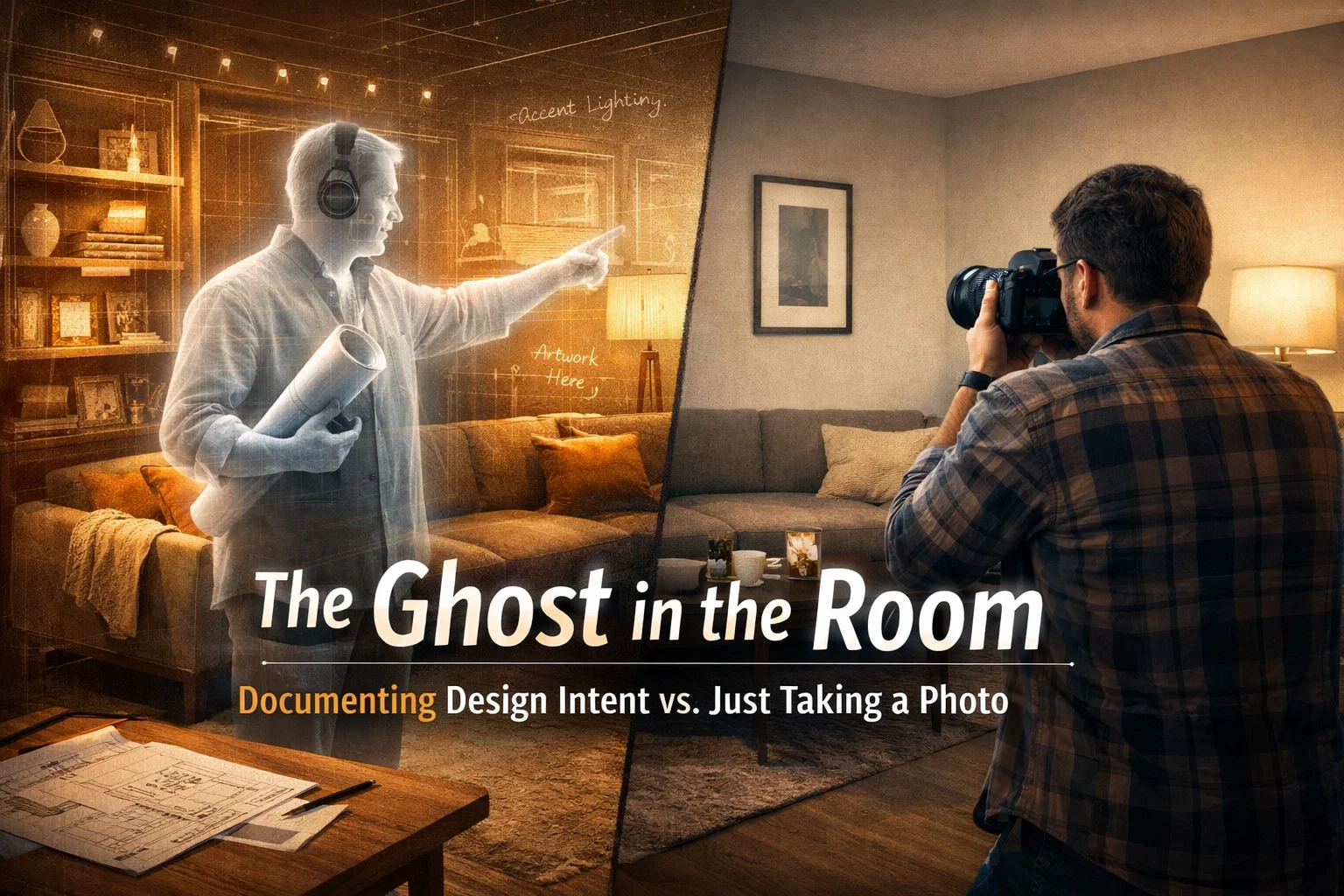
In the highly competitive landscape of South Florida’s luxury real estate and design sectors, the distinction between a photograph and an editorial narrative is the difference between a listing and a legacy. For architects and interior designers, a completed project is more than a collection of materials; it is the culmination of years of abstract reasoning, problem-solving, and aesthetic conviction. However, when the physical structure is finalized, the only medium capable of preserving that vision for the global stage is photography.
This editorial exploration examines the philosophical and technical responsibility of architectural photography in Miami. We will address why "documenting" a space is insufficient, the importance of conceptual alignment between the photographer and the designer, and the technical strategies required to translate three-dimensional design intent into a two-dimensional medium. Furthermore, we will analyze the business implications of high-end imagery, specifically how refined visual assets serve as critical drivers for brand positioning and client acquisition.
What defines the line between a snapshot and a statement?
At its core, professional photography is often perceived as a tool for passive observation: a means of recording what exists. In contrast, editorial architectural photography is an active form of narration. As industry research from 2024 suggests, high-level architectural documentation should be viewed as a complementary phase of the design process itself, rather than a separate post-script. The "Ghost in the Room" refers to the designer’s intent: the invisible logic that dictates why a hallway tapers at a specific angle or why a particular marble vein was chosen for a kitchen island.
When a photographer fails to identify this "ghost," the resulting images are hollow. They may be technically sharp and well-exposed, but they lack the soul of the project. A snapshot captures the furniture; a statement captures the purpose of the furniture. To achieve the latter, the photographer must move beyond the role of a technician and adopt the mindset of a curator.

How does conceptual alignment influence the lens?
The transition from a blueprint to a photograph requires a deliberate roadmap. For a professional architectural photographer in Miami, the process begins long before the first shutter click. It starts with a dialogue. Understanding the design intent means asking the architect: What was the primary challenge of this site? Which light did you design this room to receive?
Indeed, the most successful architectural visuals are born from site visits and pre-shoot consultations. This collaborative approach ensures that the photographer understands the "hero moments" of the structure. By identifying the unique features and requirements of a space early on, we can plan for the specific movement of the sun across a facade or the way artificial lighting interacts with the Miami Architecture and interior materiality.
Educational Sidebar: The Role of Planning in Design Documentation (2025)
> Recent industry white papers highlight that 70% of a successful editorial shoot happens in the planning phase. This includes "light mapping" to determine the optimal time of day for each room and "compositional storyboarding" to ensure the visual flow of the final gallery mimics the intended physical path through the building.
Why is the technical translation of abstract ideas so complex?
Translating an architect’s abstract vision into a tangible, two-dimensional reality is a technical tightrope walk. One of the most significant challenges is the compression of space. In a physical room, the human eye has a peripheral range that provides context and scale. A camera lens, however, is a restrictive frame.
To overcome this, we utilize specific compositional techniques:
The Hero Shot vs. The Narrative Detail: While a wide-angle shot provides the "map" of a room, it is often the vignette or detail shot that communicates the craftsmanship.
Intentional Composition: Every object within the frame must serve the design intent. This often involves the physical manipulation of the environment: adjusting furniture by mere inches to ensure a sightline remains clear or to create a visual curve that guides the eye toward a key architectural feature.
The Inclusion of Human Scale: According to design communication standards, including human figures (or "ghosted" movement) can transform a sterile record into an evocative scene, demonstrating how the space serves its intended human purpose.
How does light dictate the narrative of materiality?
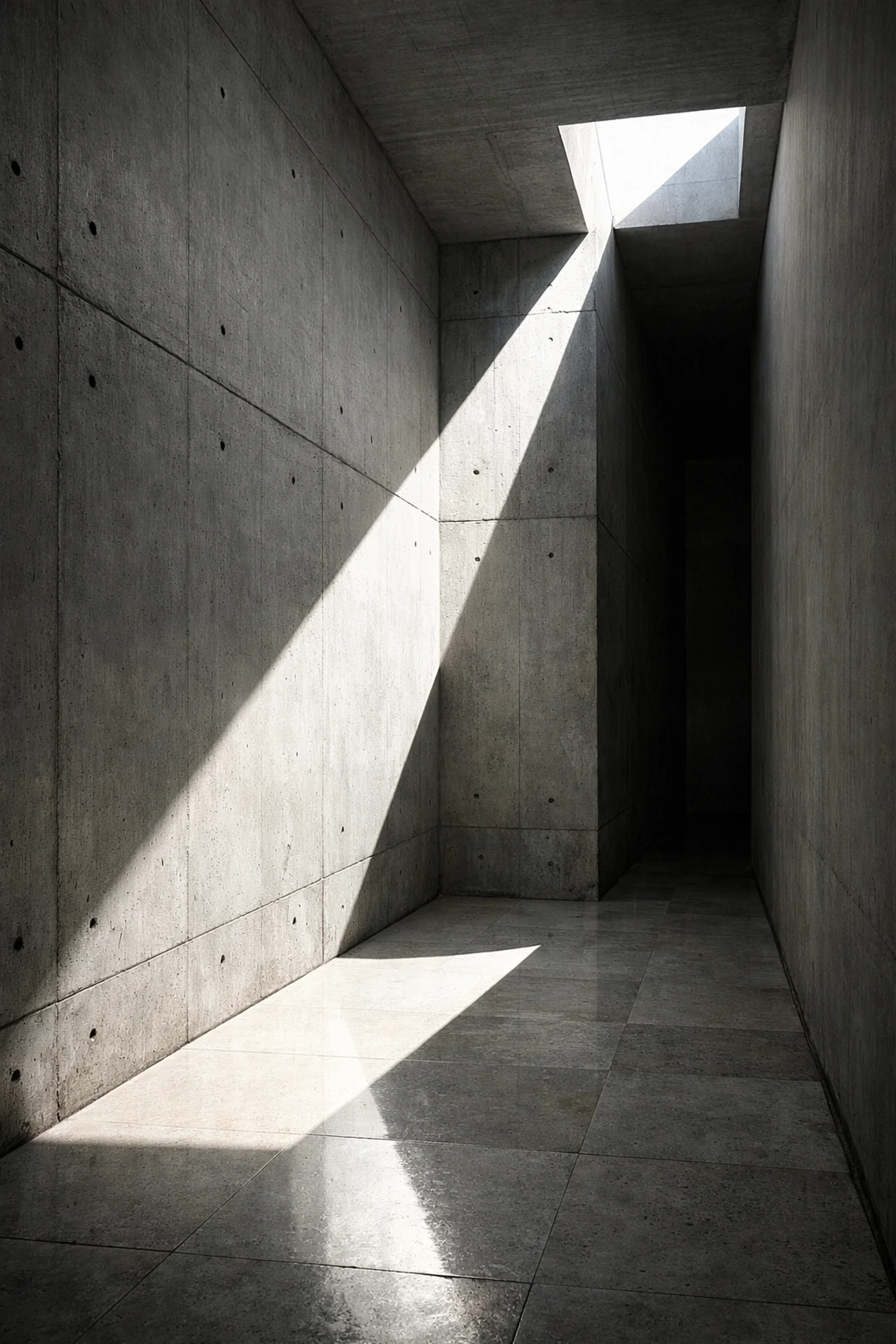
Light is the primary language of architectural photography. In the context of professional interior photography, light does not simply illuminate; it defines texture and volume. For high-end South Florida interiors, where materials like book-matched stone, Venetian plaster, and exotic hardwoods are prevalent, the "over-smoothed" look of standard real estate photography is a disservice.
Digital perfection often strips away the tactile quality of a room. In contrast, a refined editorial approach embraces the "warm minimalism" currently defining the market. By strategically using natural light and subtle artificial fill, we can highlight the raw materiality of a project. This focus on texture ensures that the viewer can almost "feel" the grain of the wood or the coolness of the stone through the screen. Furthermore, the interplay of shadow is just as vital as the light itself; shadows provide the depth and three-dimensionality that allow a flat image to feel like a breathable space.
Is there a measurable ROI on sophisticated visual assets?
From a business perspective, the investment in high-level architectural photography is an investment in market positioning. For architects and designers, your portfolio is your most valuable sales tool. It is the primary way potential clients judge your capability before they ever step foot in one of your buildings.
High-quality, editorial-style imagery leads to several tangible business outcomes:
Editorial Placement: Magazines such as Architectural Digest or Elle Decor have strict aesthetic standards. They do not publish "real estate photos"; they publish stories. By documenting design intent, you increase the likelihood of your work being featured in major publications.
Brand Authority: Refined imagery signals a commitment to quality. It tells the market that you operate at a certain level of excellence, attracting a more sophisticated clientele.
Client Loyalty and Engagement: For developers and designers, having a visual record that truly honors their hard work fosters a sense of pride and professional partnership.
Indeed, the shift from "standard" photography to luxury interior photography is a strategic move that pays dividends in long-term brand equity and customer perception.
Why should the photographer be a collaborative partner?
The most successful projects are not the result of a photographer working in a vacuum. Rather, they are a collaborative partnership where the photographer acts as the final translator of the designer's vision. At Marco Bell Photo, our process is built on this transparency. We encourage our clients to share their mood boards, their inspirations, and their technical constraints.
By trusting an expert's structured process: one that balances high-level strategic concepts with granular technical execution: architects and designers can ensure that their work is not just seen, but understood. The "Ghost in the Room" should not be a mystery; it should be the protagonist of the image.

Conclusion: Capturing the Unseen
In the end, documenting design intent is about capturing the unseen. It is about honoring the thousands of decisions that went into a project by ensuring they are visible in the final frame. Whether you are showcasing a boutique retail space or a sprawling waterfront estate, the goal remains the same: to produce imagery that stands as a testament to your professional vision.
To explore how we can bring your next project’s design intent to the forefront, visit our full blog for more industry insights or view our specialized services in commercial success through interior design. Let us help you turn your architectural "ghosts" into enduring visual legacies.