Interior Design Photography in Miami — Your Guide to Professional, Luxury & Commercial Work
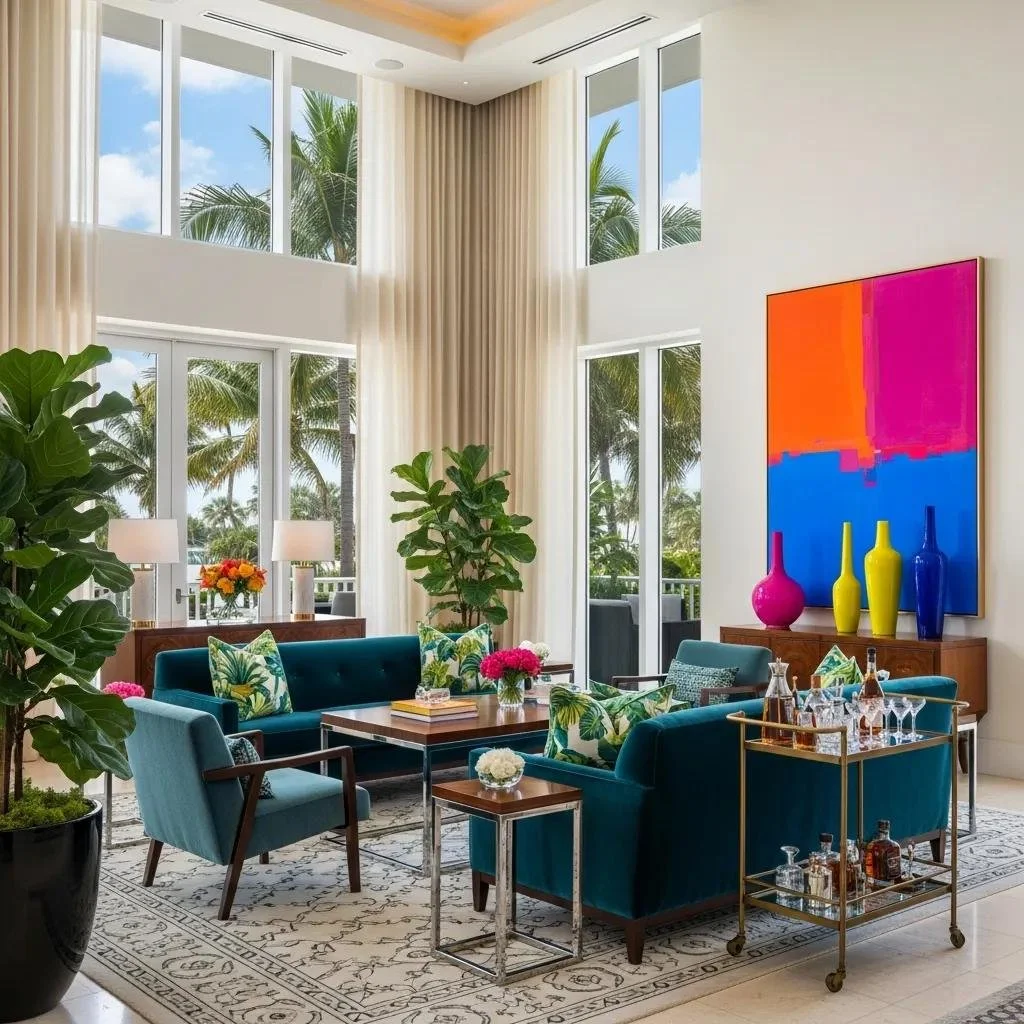
Interior design photography captures how a space feels and functions. In Miami — where architecture, color and texture are part of the story — great photography is essential for selling properties, winning clients and sharing design work. This guide walks through why interior photography matters in Miami, how photographers craft images that sell, who benefits, how shoots are planned and what to expect on price. If you’re an architect, designer or developer wondering how to present your work with clarity and impact, this piece shows the practical steps and creative choices that make images perform.
What Is Interior Design Photography and Why It Matters in Miami
Interior design photography is the practice of photographing indoor spaces to show both beauty and use. In Miami’s competitive market — rich with modernist lines, tropical light and bold finishes — professional images do more than look nice: they help buyers and clients imagine living or working in a space. Well-made photos highlight materials, scale, light and flow so a viewer can quickly understand a room’s character and potential.
Studies show that high-quality photography, often paired with staging, meaningfully alters consumer perception and interest in properties.
High-Quality Photography for Real Estate Marketing & Consumer Perception Using home staging as a marketing tool creates a competitive advantage in the real estate market. Staging shows up in polished photography and social media, and this study finds staging has a positive effect on how consumers perceive properties — increasing the likelihood they’ll visit staged homes. Value creation through home staging in real estate market, 2019
How Professional Interior Photography Improves Miami Spaces
Professional photography clarifies a space’s strengths: light, proportion, finishes and circulation. A skilled photographer composes shots to show how rooms connect, uses light to reveal texture and selects angles that communicate scale. Those images do the heavy lifting in listings, portfolios and press — they attract attention, shorten sales cycles and can influence buyer offers.
Research also identifies which visual choices — color, lighting and composition — most strongly affect viewer response and marketability.
Design Elements in Interior Photography: Impact on Viewer Decisions & Marketability This study explores which design elements increase an interior photograph’s appeal on social platforms and drive viewers to visit places they see in images. Through qualitative analysis, surveys and case studies, it highlights colour palettes, lighting, spatial layout, texture, line and pattern as key drivers of emotional response and perception. While focused on Colombo’s commercial interiors, the findings offer practical guidance for designers, photographers and marketers aiming to convert online interest into real-world visits. Evaluate the Effective Design Elements in an Interior Photograph which Impact on Decision-Making, MD Dewapriya
Key Styles: Luxury, Commercial and Architectural Interior Photography
Interior photography is not one-size-fits-all. Different projects need different approaches.
Luxury Interior Photography: Tailored for high-end homes—emphasizes craftsmanship, material richness and atmosphere with dramatic lighting and considered styling.
Commercial Interior Photography: Focuses on function and brand identity—clean, purposeful images that show spaces working for customers and staff.
Architectural Interior Photography: Prioritizes structure and proportion—images that document design intent, connections between inside and out, and the architect’s detailing.
Knowing which style fits your project helps set expectations for mood, timing and deliverables.
How Miami Photographers Capture a Space’s Essence
Photographers combine technical skill with a designer’s eye. They shape natural and artificial light, choose lenses and angles that explain spatial relationships, and use composition to lead the viewer through a room. The result is imagery that feels both honest and thoughtfully produced — work that communicates how a space looks and how it behaves.
Balancing composition, styling and lighting is the everyday craft that produces images viewers trust.
Professional Interior Photography: Mastering Composition & Lighting The thrill for interior photographers is balancing composition, styling and lighting to achieve a convincing, honest image — what some call the “look of truth.” That balance is what makes interiors feel real and believable. Professional interior photography, 2002
Editorial-Style and Light Painting — What They Do for a Room
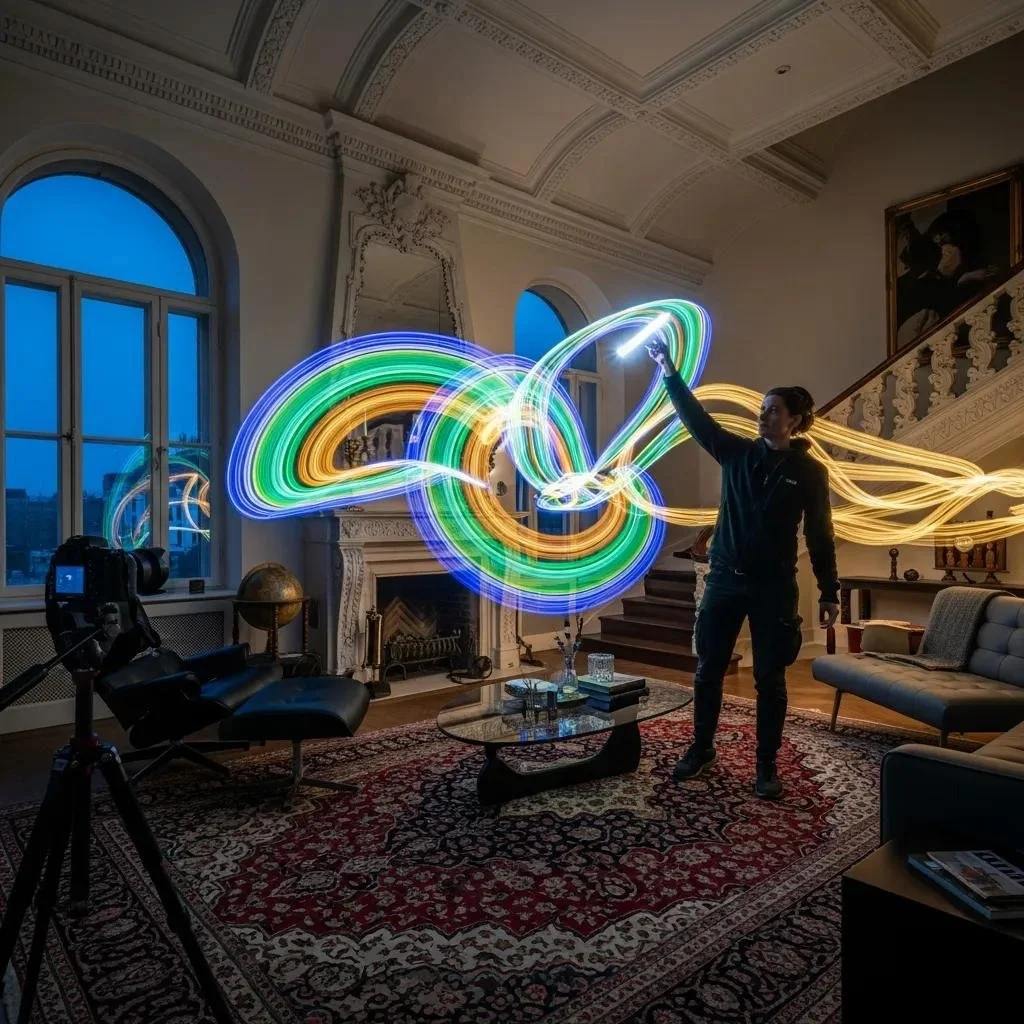
Editorial-style photography adds narrative: people, styling and context that suggest a lifestyle. Light painting is a technical technique that uses long exposures and selective illumination to sculpt a room’s depth and highlight materials. Both approaches are tools — chosen when they serve the story you want the image to tell.
Why Design Knowledge — Mid-Century to Contemporary — Matters
Understanding design language helps photographers make intelligent choices. Mid-century modern benefits from compositions that celebrate clean lines and geometry; contemporary interiors often call for restraint and emphasis on materiality. When photographers know the vocabulary of a style, their images speak directly to the right audience.
Who Benefits from Interior Design Photography in Miami?
Interior photography supports a range of clients, each with distinct goals.
Architects & Interior Designers: Use photography to document work, explain design intent and attract future clients.
Real Estate Developers: Depend on strong visuals to market units, speed sales and position properties competitively.
Commercial Clients: Show customers who they are — well-shot interiors build brand trust and drive visits.
Why Architects and Designers Invest in Specialized Photography
Specialized photography communicates nuance — color accuracy, material detail and spatial logic. That clarity enhances portfolios, supports award submissions and helps designers win projects by showing the full quality of their work.
How Developers and Commercial Brands Use These Images
Developers and commercial clients use interior photography across listings, brochures, websites and social media. Strong photography improves click-through rates, elevates perceived value and creates consistent, shareable visuals for marketing campaigns.
Booking and Executing an Interior Photoshoot in Miami
How to Prepare Your Property for a Photoshoot
Preparation makes a shoot efficient and effective. Key steps:
Declutter: Clear surfaces so architecture and finishes read clearly on camera.
Stage: Place furniture and accessories to highlight circulation and focal points.
Light: Open curtains and blinds to let in natural light; confirm lamps and fixtures work for evening setups.
These simple actions help the photographer focus on composition and lighting rather than distractions.
From Consultation to Delivery — Typical Project Steps
Most interior shoots follow a clear workflow:
Consultation: We align on vision, style and deliverables.
Photoshoot: On location, we capture the agreed shots using appropriate techniques.
Post-Production: Images are color-corrected, retouched and prepared to your specs.
Delivery: Final files are delivered in formats ready for web, print or listings.
That process keeps projects predictable and ensures the final images serve your goals.
How Much Does Interior Design Photography Cost in Miami?
Pricing varies with scope, style and experience. Factors include project size, desired image count, special techniques (like light painting) and turnaround time.
Common Pricing Models for Luxury and Commercial Shoots
Photographers typically offer:
Flat Rates: A set fee for a specific set of images or a day of shooting.
Hourly Rates: Useful for projects with flexible or open-ended requirements.
Package Deals: Bundled images and deliverables for predictable budgets.
Choose the model that matches your project scale and timing needs.
How Scope and Trends Affect Cost
Larger properties, extensive styling, or shoots that require editorial techniques raise time and resource needs. Trending approaches or specialist gear can also add to the budget. Discussing scope upfront helps avoid surprises.
Where to See Miami Interior Photography and Client Success Stories
Reviewing portfolios and case studies is the best way to judge a photographer’s fit for your project.
Portfolio Examples That Capture Miami’s Design Trends
Look for projects that show a range — luxury residences, polished commercial spaces and architectural studies — so you can see how a photographer handles light, scale and finish across different briefs.
What Client Testimonials Reveal
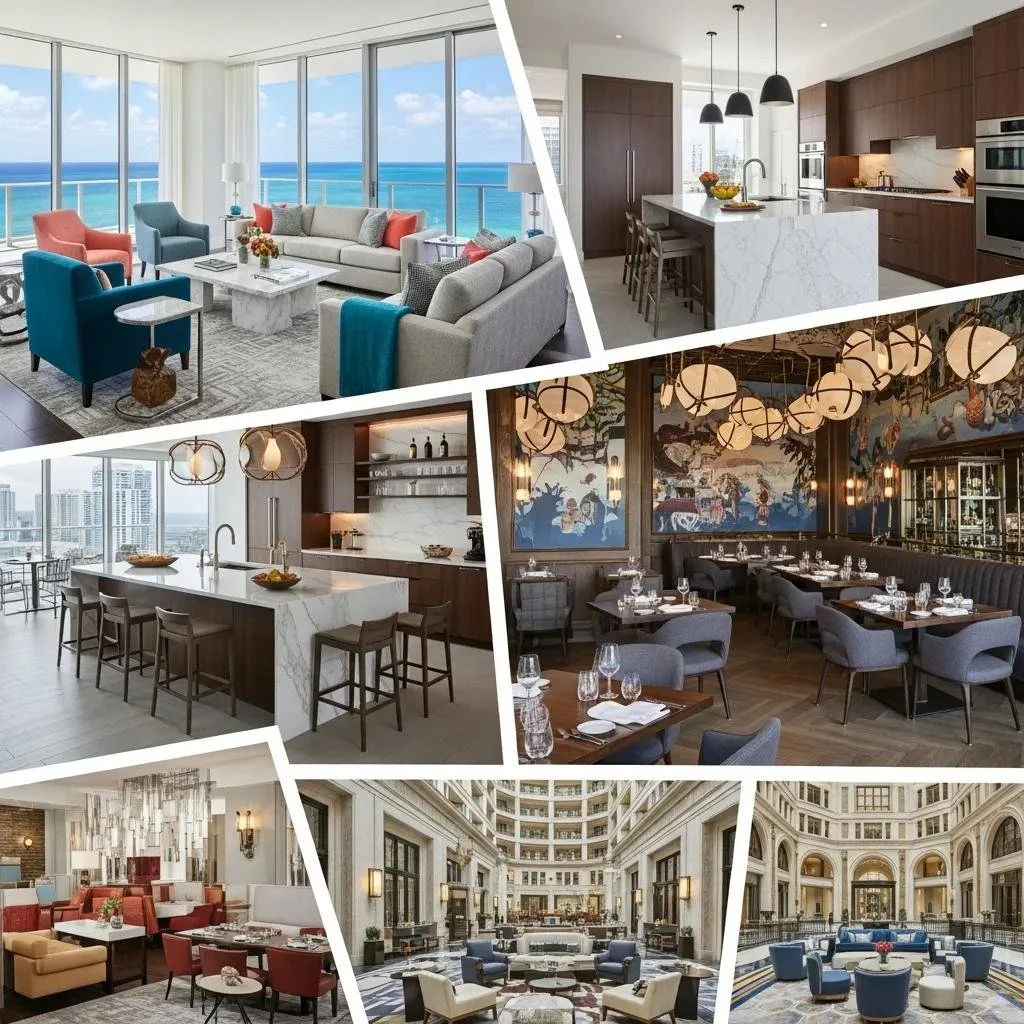
Testimonials often highlight measurable outcomes: faster listings, stronger brand presentation and clients who felt the images reflected their design intent. These real results are the clearest indicator of value.
Conclusion
Professional interior photography in Miami turns design into a clear, persuasive visual story. By focusing on light, composition and authentic detail, skilled photographers help architects, designers and developers present spaces that attract buyers and clients. If you want images that reflect the care put into your project, explore our portfolio and schedule a consultation to discuss how we can elevate your space.