7 Mistakes You're Making with Your Interior Design Portfolio (And How Your Florida Photographer Can Fix Them)
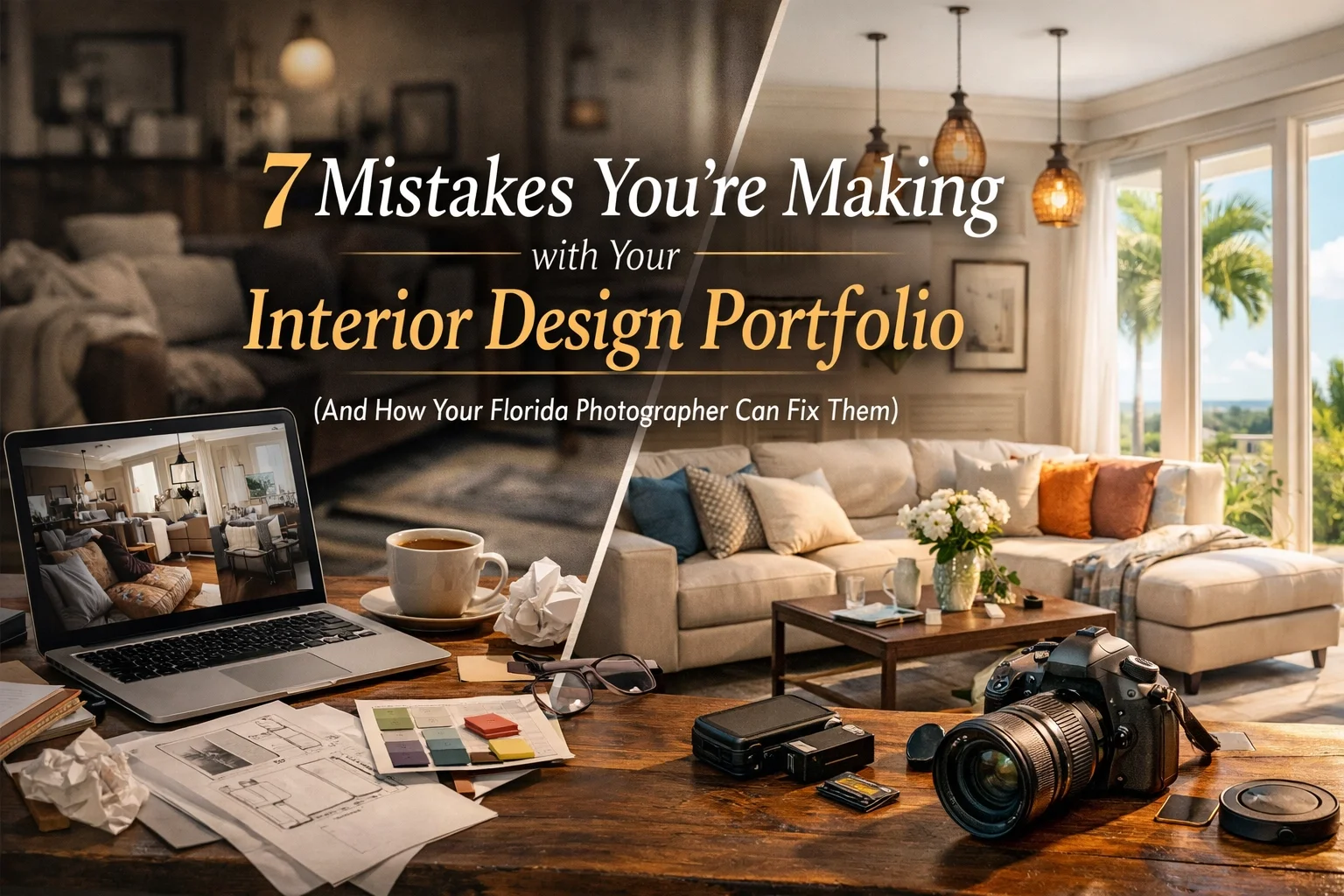
In the highly competitive Florida luxury market, an interior designer’s portfolio is more than a mere collection of past works; it is the primary engine for business development and brand positioning. High-end clients and architectural firms evaluate your capabilities based on the visual evidence of your design intent, technical precision, and aesthetic sensibility. However, even the most innovative designs can be undermined by common pitfalls in how they are documented and presented.
This article provides a comprehensive roadmap for identifying and rectifying seven critical mistakes currently hindering interior design portfolios. We will examine the technical nuances of lighting and composition, the strategic importance of visual narrative, and the specific ways a professional architectural photographer elevates a portfolio from a functional record to a powerful marketing asset. By addressing these discrepancies, designers can better align their digital presence with the expectations of a discerning clientele.
Is Your Lighting Sacrificing the Integrity of Your Materials?
One of the most frequent errors in interior design photography is the mismanagement of light, specifically the clashing of different color temperatures. In many DIY or amateur shoots, the "yellow" warmth of interior incandescent bulbs competes with the "blue" hue of natural Florida sunlight streaming through windows. This results in "color bleeding," where white sofas appear muddy and carefully selected paint colors lose their intended vibration.
Furthermore, improper exposure often leads to "blown-out" windows: where the view of a lush Miami coastline or a manicured Palm Beach garden is replaced by a featureless white glare. Indeed, a professional photographer utilizes high-dynamic-range (HDR) manual blending or supplemental lighting (strobe and flash) to balance these intensities. The solution lies in maintaining the "true-to-life" color of your materials while ensuring the exterior view is preserved as a valuable contextual element of the design.
Why Are Your Vertical Lines Leaning?
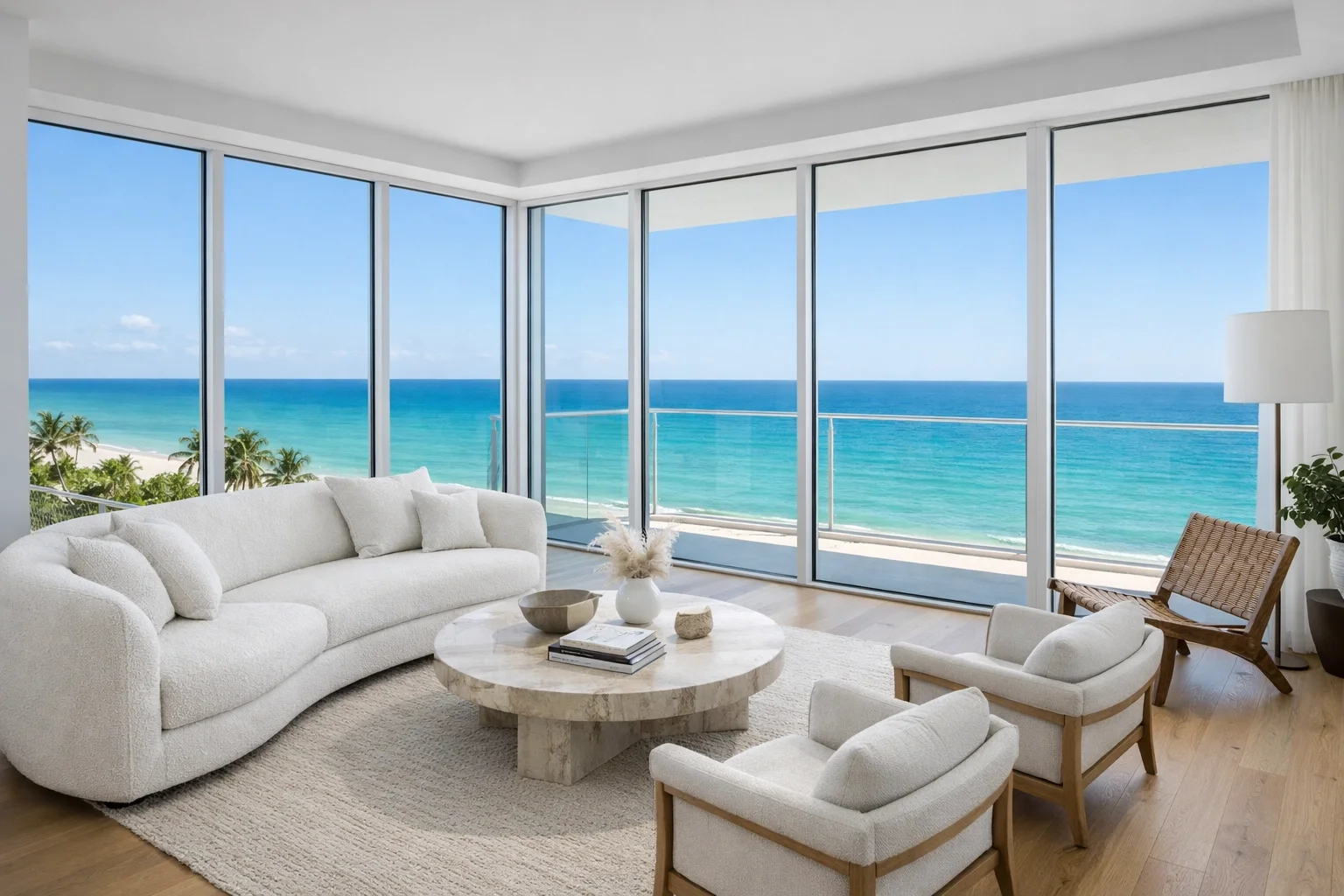
Architectural integrity is rooted in geometry. A common mistake that immediately signals amateurism is the "keystoning" effect, where vertical lines: such as door frames, cabinetry, and corners: appear to tilt inward or outward. This occurs when a camera is tilted up or down to capture more of the ceiling or floor.
In professional architectural photography, the use of tilt-shift lenses is mandatory. These specialized optics allow the photographer to shift the lens element up or down while keeping the camera sensor perfectly parallel to the vertical plane. This ensures that every line remains plumb, reflecting the structural discipline of your design. When lines are straight, the viewer’s eye focuses on the design itself rather than the technical distraction of a distorted image.
Is Your Portfolio Lacking a Cohesive Narrative?
A portfolio that jumps sporadically between Victorian renovations, ultra-modern condos, and coastal chic without a clear thread can confuse potential clients. Research in consumer psychology (2023) suggests that brand clarity is a significant driver of trust in luxury services. If your creative voice is inconsistent, it becomes difficult for a client to understand your unique value proposition.
A professional photographer acts as a brand consultant during the shoot. By employing consistent lighting styles, specific focal lengths, and a unified post-production color grade, the photographer creates a "visual signature" for your brand. This cohesion ensures that even as you showcase diverse projects, the quality and "feel" of the work remain unmistakably yours.
> Research Summary: Visual Consistency and Brand Trust
> A 2024 industry report on digital marketing for AEC (Architecture, Engineering, Construction) professionals highlighted that portfolios with a consistent visual style saw a 34% higher engagement rate compared to those with disparate image quality. The data suggests that consistency implies professional stability and a refined attention to detail.
Are You Ignoring the Power of the "Vignette"?
Many designers focus exclusively on the "hero shot": the wide-angle view that captures the entire room. While these shots are essential for showing layout, they often fail to convey the tactile quality of the materials and the nuances of the styling. Relying solely on wide shots is a missed opportunity to showcase the "details" that define luxury design.
The solution is the integration of vignettes or detail shots. These are tighter compositions: often shot with a 50mm or 85mm lens: that focus on the texture of a velvet cushion, the joinery of a custom cabinet, or the way light hits a piece of hardware. These images provide a sensory experience for the viewer, allowing them to appreciate the craftsmanship that a wide shot cannot communicate.
How Does Improper Styling Affect Your Compositional Balance?
There is a significant difference between a room that is "lived-in" and a room that is "camera-ready." A common mistake is leaving too much clutter: remotes, excessive cords, or everyday items: that distracts from the design. Conversely, some designers over-style, creating a space that feels sterile and unapproachable.
Professional photographers work in tandem with designers to "style for the lens." Because a 2D photograph flattens a 3D space, items that look good in person may appear awkward on screen. A photographer will adjust the placement of furniture and accessories by inches to ensure the "flow" of the image is balanced, utilizing negative space to draw the eye toward the room's focal points.
Is Your Post-Production Compromising Professionalism?
In the era of smartphone filters, it is tempting to believe that basic editing is sufficient. However, professional architectural post-production is a granular process. Common mistakes in self-edited photos include over-saturation, lack of shadow detail, and "halos" around light fixtures.
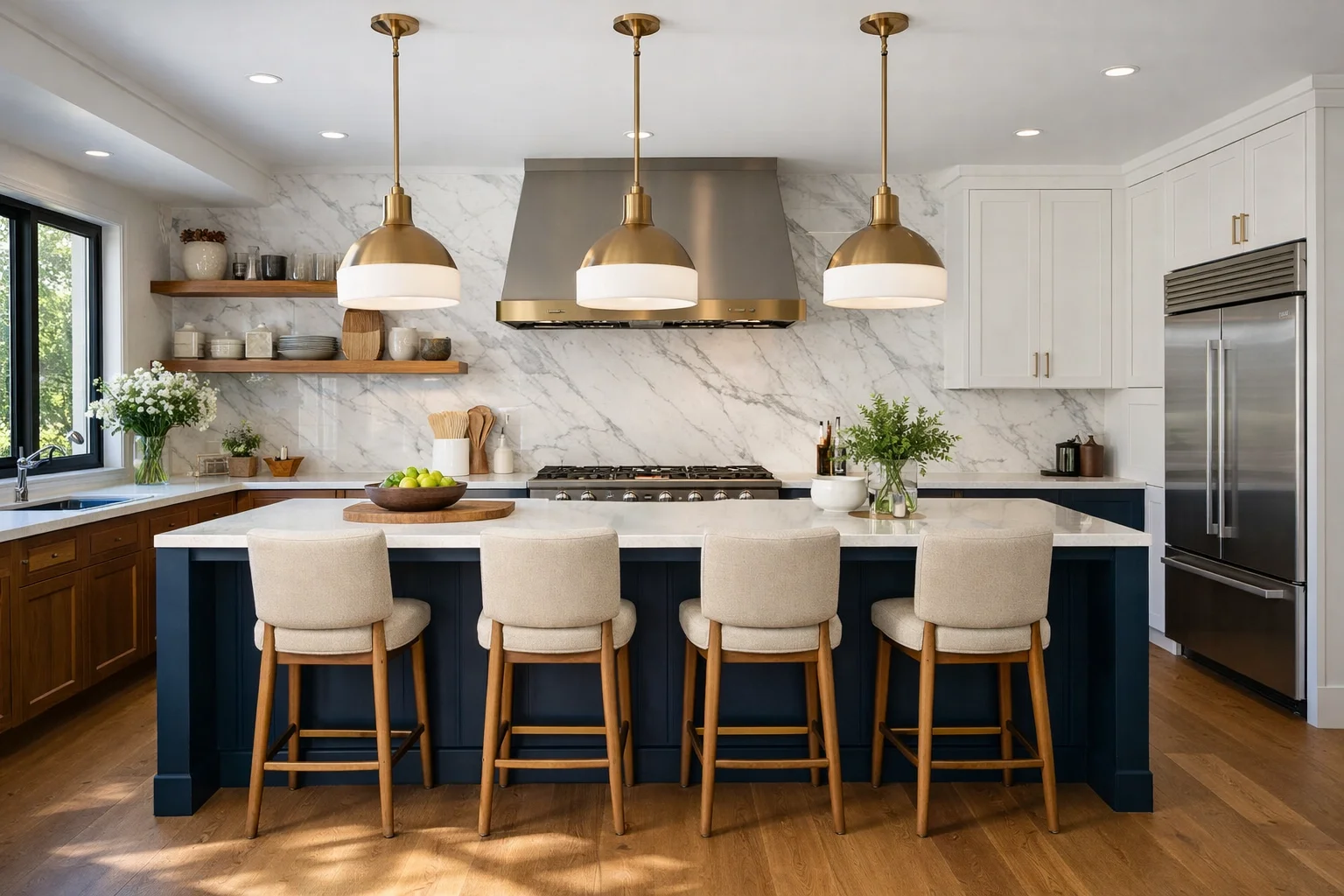
Professional editing involves meticulous color correction to ensure that the navy blue you specified for a kitchen island is precisely the navy blue that appears on a client’s monitor. Furthermore, advanced techniques such as "flambient" (a mix of flash and ambient light) processing allow for a natural look that mimics how the human eye perceives space, rather than the harsh, flat look of a single exposure.
Are You Documenting the Space or the Solution?
A portfolio project should not just show a beautiful room; it should tell the story of a solved problem. Many designers fail to provide context, leaving the viewer to guess the project’s scope or the challenges overcome. This lack of storytelling reduces the portfolio to a gallery of pretty pictures rather than a record of professional expertise.
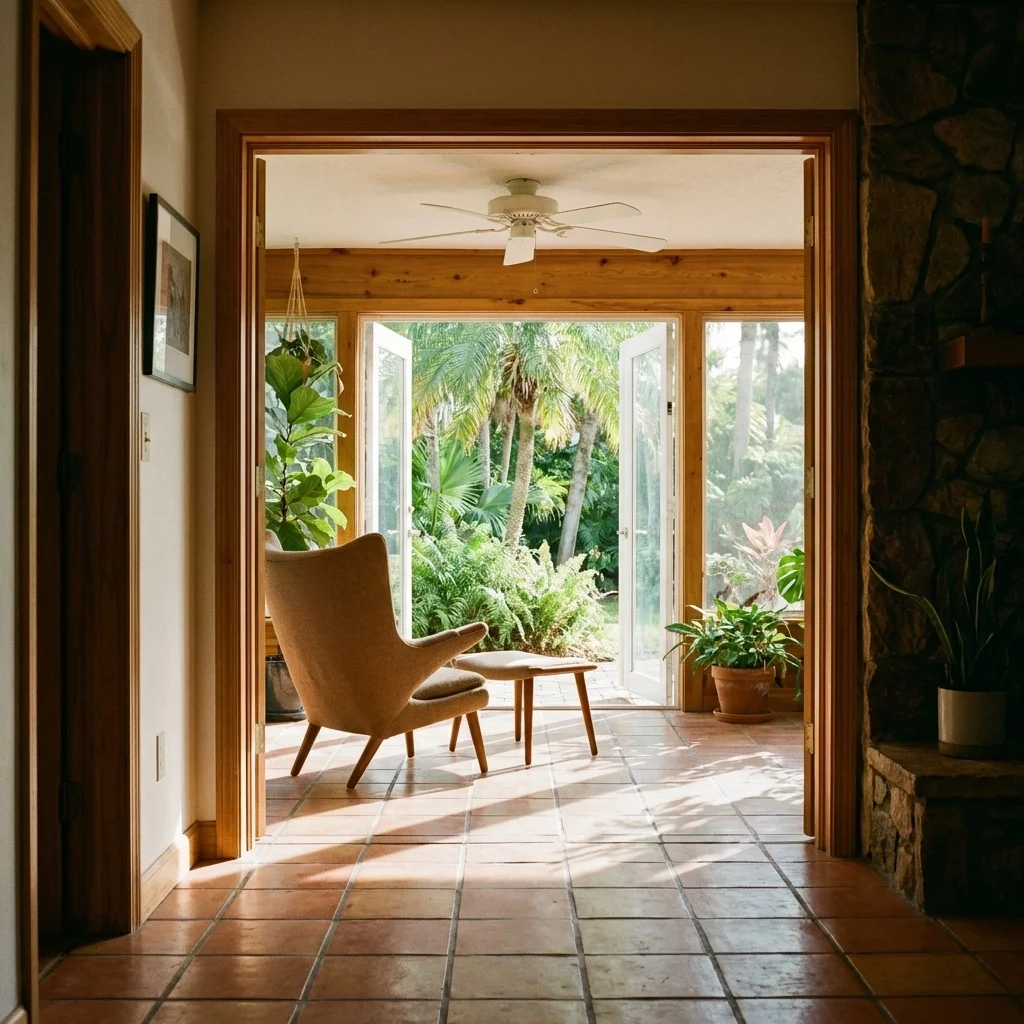
The professional solution involves a strategic selection of shots that mirror the "design journey." By capturing the relationship between rooms and the functionality of the layout, the photographer helps demonstrate how your design improves the client's lifestyle. In the Florida market, this often means emphasizing the transition between indoor and outdoor living, a key selling point for regional luxury real estate.
Strategic Business Outcomes of High-End Imagery
Investing in professional photography is not an aesthetic luxury; it is a strategic business decision with a measurable Return on Investment (ROI). High-quality imagery directly impacts:
Market Positioning: Allows you to command higher fees by aligning your visual brand with the luxury tier.
Media Opportunities: Editorial-grade photos are a prerequisite for being featured in publications like Architectural Digest or Luxe Interiors + Design.
Conversion Rates: A polished, professional portfolio reduces friction in the sales process, providing "social proof" of your capabilities.
The Collaborative Partnership
Effective architectural photography is a collaborative partnership. At Marco Bell Photo, we understand that our role is to translate your three-dimensional vision into a two-dimensional masterpiece. Our process is structured, transparent, and designed to minimize disruption to your schedule while maximizing the visual output of your projects.
We invite you to view our recent work and see the difference that technical precision and an editorial eye can make for your brand.
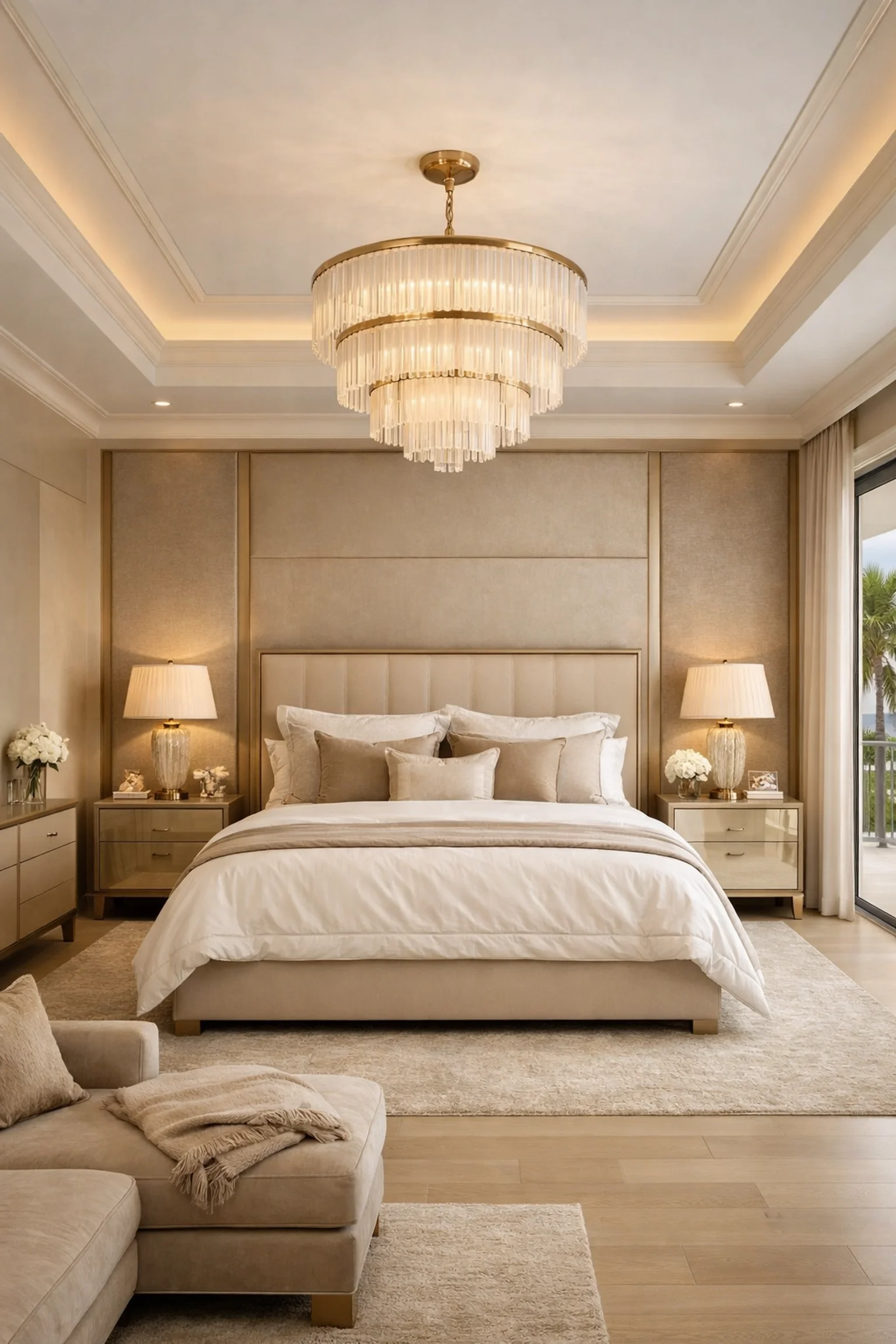
To elevate your interior design portfolio and start attracting the clients your work deserves, explore our Portfolio or Contact Us today to schedule a consultation for your next project. Let us help you turn your design intent into a lasting visual legacy.