How to Choose the Best Commercial Photography Portfolio: Expert Tips for Evaluating Professional Portfolios
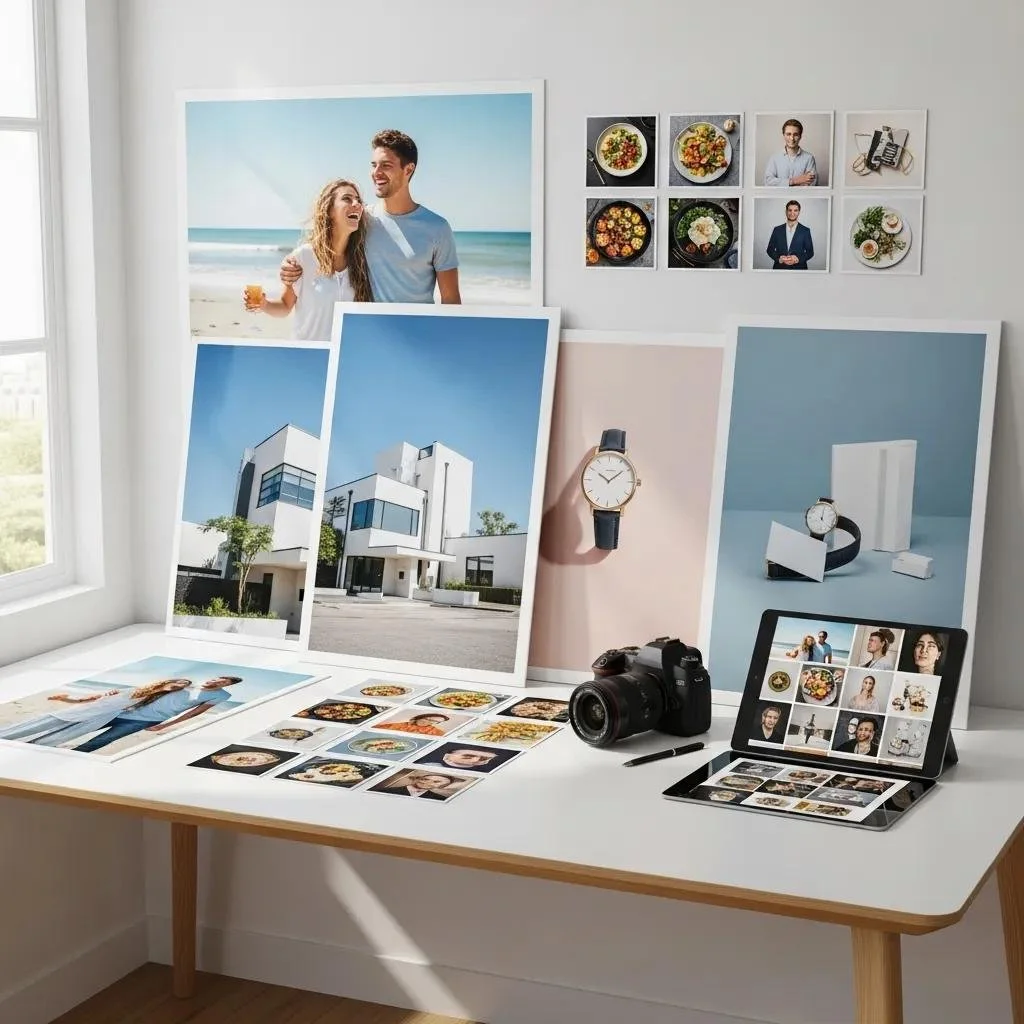
Choosing the right commercial photography portfolio is crucial for businesses looking to enhance their visual storytelling. A well-curated portfolio not only showcases a photographer's technical skills but also reflects their ability to convey a brand's message effectively. In this article, we will explore the essential elements to consider when evaluating commercial photography portfolios, helping you make informed decisions that align with your business needs. Many businesses struggle to find photographers who can capture their unique vision and style. By understanding what to look for in a portfolio, you can ensure that the photographer you choose will meet your expectations and deliver high-quality results. We will cover key elements to look for, how to evaluate different photography styles, the importance of industry focus, and tips for engaging with a commercial photographer.
What Are the Key Elements to Look for in a Commercial Photography Portfolio?
When evaluating a commercial photography portfolio, several key elements can help you determine the photographer's suitability for your project. These elements include technical skill, visual storytelling, and the diversity of portfolio components.
Which Portfolio Components Demonstrate Technical Skill and Visual Storytelling?
The portfolio components that demonstrate technical skill and visual storytelling include the use of macro lenses to capture intricate textures, strategic wide-angle perspectives to articulate spatial relationships, and the careful staging of spaces to highlight their best features. These elements contribute to a comprehensive spatial narrative that communicates emotion and human experience effectively. A strong portfolio will showcase a variety of techniques that enhance the overall impact of the images, allowing potential clients to envision how the photographer can bring their vision to life.
How Does Portfolio Diversity Reflect Photographer Versatility?
A diverse portfolio indicates a photographer's versatility and adaptability to different client needs. By showcasing various styles, such as lifestyle, architectural, and product photography, a photographer demonstrates their ability to cater to different industries and project requirements. This diversity not only highlights their technical skills but also their creative approach to visual storytelling. When reviewing a portfolio, look for a range of subjects and styles that resonate with your brand's identity and objectives.
How to Evaluate Different Commercial Photography Styles for Your Business Needs?

To evaluate different commercial photography styles for your business needs, consider the following:
Identify Your Goals: Determine what you want to achieve with the photography, such as showcasing products, enhancing brand image, or attracting clients.
Assess the Style: Look at various styles like interior and architectural photography, lifestyle, and food photography. Each style communicates different narratives and emotions.
Focus on Details: Pay attention to how details are captured. Effective photography should highlight textures, spatial relationships, and the overall aesthetic of the subject.
Consider Virtual Staging: If applicable, explore virtual staging options that can enhance the presentation of spaces without the mess of physical staging.
Evaluate the Photographer's Approach: Review the photographer's methodology and how they translate three-dimensional realities into compelling visual stories.
Seek Customization: Ensure the photographer can tailor their services to meet your specific requirements and constraints.
By following these steps, you can choose a photography style that aligns with your business objectives and effectively communicates your brand's message.
What Are the Most Effective Commercial Photography Styles for Interior Design, Architecture, and Real Estate?
The most effective commercial photography styles for interior design, architecture, and real estate include:
Staging: This involves showcasing spaces with decor that reflects personality and warmth, making them inviting and relatable to potential buyers.
Virtual Staging: This technique allows sellers to present renovated spaces without the mess of construction, highlighting polished "after" shots that focus on the property's best attributes.
Wide-Angle Perspectives: Using wide-angle lenses helps capture the spatial relationships and flow between rooms, enhancing the overall narrative of the space.
Macro Photography: This style emphasizes intricate details and textures, elevating minor elements to critical components of the visual story.
Intimate Framing: For more personal spaces like bedrooms, a subtle approach can create a sense of comfort and sanctuary, appealing to buyers' emotions.
These styles work together to create compelling visual narratives that resonate with potential buyers and highlight the unique features of each property.
How to Match Photography Styles to Your Industry and Brand Identity?
To match photography styles to your industry and brand identity, consider the following:
Understand Your Audience: Tailor your photography to resonate with the target demographic. For example, in real estate, use warm, inviting imagery that showcases character and soul, appealing to potential buyers' emotions.
Highlight Key Features: Focus on the best attributes of the space or product. Use staging techniques to present polished, aspirational visuals that guide the viewer's attention to desirable elements.
Use Appropriate Techniques: Employ different photographic techniques based on the environment. For intimate spaces like bedrooms, use a lens that creates a sense of comfort and sanctuary, while broader spaces may benefit from wide-angle perspectives to convey grandeur.
Incorporate Details: Pay attention to minor elements that contribute to the overall narrative. Capture textures and spatial relationships that enhance the emotional and aesthetic appeal of the subject.
Create a Cohesive Narrative: Ensure that the photography style aligns with the brand's message and identity, creating a consistent visual story that communicates the desired emotions and values.
By following these guidelines, you can effectively match photography styles to your industry and brand identity.
Why Is Client Industry Focus Important When Choosing a Commercial Photography Portfolio?
Understanding the significance of industry focus in portfolio selection is crucial for ensuring that the photographer can meet your specific needs. A photographer with experience in your industry will have a better understanding of the nuances and expectations that come with it.
How Do Portfolios Showcase Experience with Miami, Hollywood, and Fort Lauderdale Markets?
The context does not provide specific details on how portfolios showcase experience with the Miami, Hollywood, and Fort Lauderdale markets. Therefore, I don't have enough information to answer the question.
What Role Do Case Studies and Client Testimonials Play in Portfolio Evaluation?
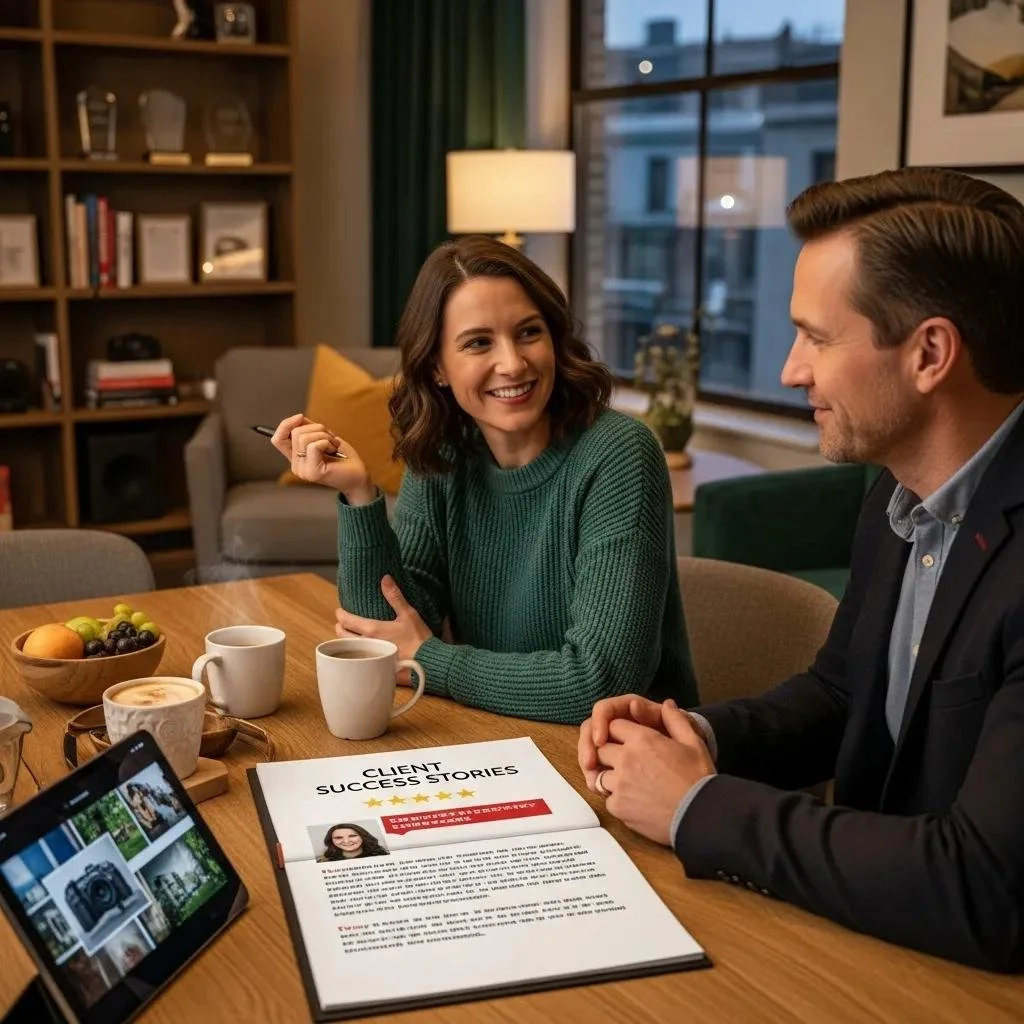
Case studies and client testimonials play a vital role in portfolio evaluation by providing insights into the photographer's past work and client satisfaction. They offer real-world examples of how the photographer has successfully met client needs and expectations. Testimonials can highlight specific strengths, such as creativity, professionalism, and the ability to deliver on time. When reviewing a portfolio, look for these elements to gauge the photographer's reliability and effectiveness.
How to Engage with a Commercial Photographer: Scheduling and Preparing for a Photoshoot
To engage with a commercial photographer like Marco Bell, you can schedule a photoshoot by reaching out through his website, using the Calendly link, or by calling him at (305) 608-4776. He aims to provide a seamless scheduling experience tailored to your needs, whether you're an interior designer, a food brand, or an individual seeking personal branding images. It's important to discuss your project and desired timeline, as he will work with you to create a customized schedule that accommodates any specific requirements you may have.
What Are the Steps to Schedule a Personalized Commercial Photoshoot?
To schedule a personalized commercial photoshoot, follow these steps:
Reach out through the website or via the provided Calendly link.
Alternatively, you can contact by phone at (305) 608-4776.
Discuss your project and desired timeline with Marco Bell.
Work together to create a customized schedule that fits your needs, considering any specific requirements or constraints you may have.
How to Prepare Your Business and Location for a Successful Photoshoot?
Preparing your business and location for a successful photoshoot involves several key steps:
Clean and Declutter: Ensure that the space is clean and free of distractions to allow the photographer to focus on the subject.
Lighting Considerations: Assess the natural lighting in the space and consider additional lighting options to enhance the overall aesthetic.
Staging Elements: Incorporate staging elements that reflect your brand's identity and create an inviting atmosphere.
Coordinate with the Photographer: Discuss any specific shots or angles you want to capture, ensuring that the photographer understands your vision.
By taking these steps, you can help ensure that the photoshoot runs smoothly and produces high-quality images that effectively represent your brand.
What Should You Know About Pricing and Service Packages in Commercial Photography?
Understanding pricing and service options in commercial photography is essential for making informed decisions. Different photographers may offer various packages that cater to specific needs and budgets.
How to Compare Pricing Transparency and Service Inclusions?
When comparing pricing transparency and service inclusions, consider the following:
Detailed Breakdown: Look for photographers who provide a clear breakdown of their pricing structure, including any additional fees for services.
Service Inclusions: Ensure that you understand what is included in each package, such as the number of edited images, travel costs, and usage rights.
Customization Options: Inquire about the possibility of customizing packages to better suit your specific needs and budget.